


Florida Electric Scooter Basics
When you hop onto an electric scooter in Florida, think of it like mounting a bike. There’s no need for a license, registration or insurance, but the state still sets clear rules on who can ride and where.
Essential Electric Scooter Rules In Florida
Under Florida Statute §316.2128, e-scooters count as micromobility devices and follow bicycle regulations.
- Classification: No title, no registration—just like a standard bicycle.
- Operating Areas: Ride on bike lanes or roads posted under 30 mph; sidewalks are up to each city.
- Age Requirement: You must be at least 16 statewide, though some municipalities raise the bar.
- Helmet Guidance: Required for riders under 16 and highly recommended for everyone else.
- Safety Limits: No riding under the influence, and a 15 mph cap is suggested in shared zones.
Remember to yield to pedestrians in all shared spaces to avoid citations.
Key Requirements At A Glance
Here’s a quick snapshot of Florida’s primary e-scooter rules. Keep this table handy before you roll out.
| Aspect | Requirement |
|---|---|
| Classification | Follows bicycle regulations, no registration |
| Operating Areas | Roads < 30 mph, bike lanes, sidewalks per city |
| Age Requirement | Minimum 16 years old statewide |
| Helmet Use | Required under 16, recommended for adults |
| Intoxication | Riding under any alcohol influence prohibited |
| Speed Limit | Up to 15 mph in shared areas |
Use this overview to stay compliant on every ride.
Curious about how Florida stacks up against other states? Dive deeper with our electric scooter laws by state guide.
Local rules in cities like Miami, Tampa and Orlando can tweak the statewide standards. A quick check of municipal ordinances will keep you out of trouble.
Stay safe, stick to the speed limits and always wear your helmet. Enjoy the ride!
Understanding Vehicle Classification
Florida treats e-scooters much like bicycles. You obey the same signals, lanes, and yield rules as two-wheel cyclists. This blueprint stems from Florida Statute §316.2128, which lays out everything from where you can ride to how penalties are assessed.
Picture yourself gliding on a bike path instead of weaving through car traffic. Adopting that cyclist mindset makes the legal details click.
Key Legal Definition
- Classification: E-scooters are micromobility devices under bicycle statutes.
- Authority: Governed by Florida Statute §316.2128.
- Analogy: Imagine a two-wheeled bike fitted with a small motor.
This bike-style framework shapes lane usage, right-of-way rules, and enforcement priorities. Officers often look for bike-like infractions first, so knowing these parallels pays off.
Under state law, yields to pedestrians are mandatory and intoxication bans apply just like on a bike.
Consider cruising through a dedicated bike lane in Miami—you're following the same path rules as a standard bicycle. Cities may tweak sidewalk permissions, but statewide you ride solo. No double-riding allowed.
Practical Implications
When you view your scooter as a motorized bicycle, signaling and parking become second nature. That clarity makes each trip smoother and less stressful.
- Lane Options: Use bike lanes or any road posted under 30 mph.
- Speed Norms: Shared areas often recommend a cap of 15 mph.
- Pedestrian Priority: Always yield on crosswalks and mixed-use trails.
Since 2019, riders fall under the exact same rules as bicyclists—no registration or insurance required, single-rider only, and strict pedestrian yields. For deeper safety tips, see SchwedLawFirm’s blog.
If you’re eyeing a Punk Ride scooter, lean into that bike-style approach to avoid tickets. Simple habits—like strapping on a headlight, reflectors, and sticking to bike racks—are borrowed right from cycling routines.
Scanning your path for potholes or debris becomes instinctive, just as a seasoned rider checks for hazards. That mental switch helps you master Florida’s rules without missing a beat.
Real World Comparison
- Speed Range: E-scooters can hit 20 mph, matching a brisk bike ride.
- Registration Needs: Neither scooters nor bicycles require state registration or insurance.
- Helmet Rules: Riders under 16 must wear helmets on both scooters and bikes.
- Lane Etiquette: Hand signals, right turns, and pedestrian yields mirror standard bicycling protocols.
Treat your scooter as a bike with a motor and you’ll navigate Florida’s rules with confidence.
Local officers train with scooters in mind, focusing on helmet use and proper signaling rather than vehicle documentation. That consistency keeps things fair for every two-wheel traveler.
Rider Requirements And Safety Rules
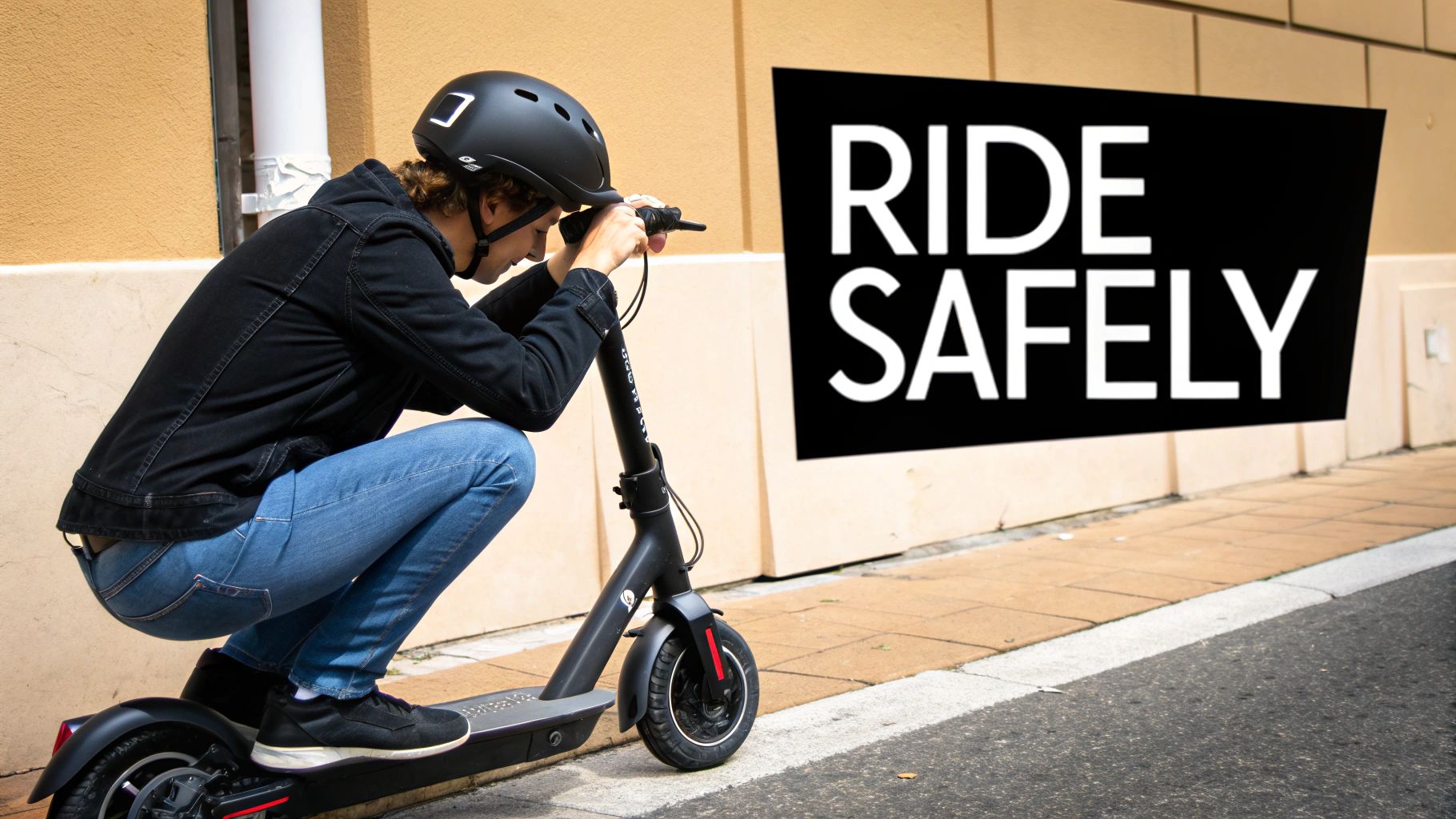
Riding an electric scooter in Florida can feel as relaxed as cruising your neighborhood—but remember, it’s still governed by state law. You’ll need to tick off a few boxes before you hit the pavement or glide through bike lanes. Meeting age and ID requirements is your first step toward a hassle-free ride.
Rider Eligibility
Florida sets the baseline at 16 years old for scooter riders, though some municipalities push that to 18. On top of age, have a valid photo ID ready if law enforcement asks for proof on the spot.
Local rules can add another layer—think short safety courses or a quick registration via city apps. Here’s what to keep in mind:
- Minimum Age – 16 statewide; double-check local ordinances for higher limits.
- Photo ID – Carry a driver’s license or passport for age verification.
- Local Rules – Cities like Miami may require helmet training or registration through official apps.
Knowing these details upfront helps you steer clear of fines and enjoy smoother rides.
Helmet And Safety Gear
Helmets are mandatory for riders under 16, and everyone else should consider them a must. Picture your scooter ride like a concert walk-home: a solid helmet can be the difference between a story and a statistic.
Likewise, reflective vests and lights are game-changers when dusk rolls in. A couple of simple additions can keep you seen:
- Reflective Gear – Vests or stickers boost visibility in low light.
- Front/Rear Lights – Essential if you’re out at dawn or after dark.
- Protective Pads – Knee and elbow guards add another layer of defense.
"A quality helmet reduces head injury risk by over 50%, making it the single most effective safety measure," notes a leading micromobility researcher.
For a deeper dive into protective equipment, check out our guide on electric scooter safety tips before your next ride.
Photo ID And DUI Rules
Scooting under the influence carries the same weight as drunk bicycling in Florida. The blood-alcohol limit sits at 0.08%, and violations can lead to fines, license suspension, or even arrest. Always keep your photo ID handy if you get pulled over.
Here’s how to stay on the right side of the law:
- Plan sober routes—stick to well-lit streets if you’ve had a drink.
- Give your scooter a quick once-over: check lights, brakes, and battery.
- Store a digital copy of your license on your phone in case the physical card goes missing.
For example, in Tampa a college student sidestepped a hefty ticket by honestly admitting she’d had one beer and flashing her valid ID. Officers appreciated her straightforwardness and issued a warning instead of a citation.
Practical Tips For Compliance
A little preparation goes a long way in avoiding tickets and breakdowns. Before you scoot off:
- Stay in bike lanes where available to respect pedestrians.
- Obey traffic signals and use clear hand signals for every turn.
- Check tire pressure weekly—flat tires ruin the fun fast.
- Keep your scooter’s software and firmware up to date for peak performance.
Remember to scan your path for potholes, loose manhole covers, or doors opening from parked cars. In Orlando, one rider spotted a wobbly manhole cover just in time, veered around it, and kept riding safely.
These real-world moments show why rule-following and awareness matter. Florida’s scooter laws blend freedom with responsibility so you can explore worry-free. Gear up, follow the guidelines, and enjoy the ride—every single time.
Operating Rules And Speed Limits
In Florida, you can hop on your e-scooter and roll down any road with a posted limit under 30 mph. Bike lanes are fair game too—just make sure you share the space with cyclists. Sidewalk rules flip depending on the city, so treat them like mixed-use trails where pedestrians always have priority.
- Cruise on streets under 30 mph to avoid fast-moving cars.
- Lean into bike lanes for a smoother, more relaxed ride.
- Verify local sidewalk ordinances before you scoot—some towns ban e-scooters on sidewalks outright.
Picture coasting beside a jogger at about 8 mph when you’re on a shared sidewalk. In busier pedestrian zones, you’ll want to dial back to a casual 5 mph to keep everyone comfortable. Scanning for speed limit signs and mode restrictions is part of the routine.
Municipal signs often mark where scooters must stay under 15 mph.
Navigating Intersections And Roundabouts
Approach intersections at around 10 mph—that gives you time to scan cross traffic and pedestrians. A quick signal and eye contact go a long way toward smooth crossings.
- Even with a green light, glance both ways to spot any latecomers.
- In roundabouts, hug the right side and signal before you exit.
Sidewalk etiquette means sticking to 5 mph or less, so you don’t catch foot traffic off guard. A soft bell ring or a friendly “on your left” keeps everyone in the loop and collisions at bay.
Some historic or high-profile districts use geofencing to automatically cap your speed. Local apps or on-street signs will warn you ahead of time. Keep an eye on your dashboard alerts so you’re never blindsided by a sudden slowdown.
Managing Speed In Pedestrian Zones
When foot traffic picks up, aim for a jogger’s pace—around 8 mph max. Think of it as matching the slowest runner so nobody feels rushed.
- Ease off the throttle gently as you near crowds.
- Switch to eco or low-speed mode for a silky, controlled deceleration.
Learn more about speed zones in our guide on electric scooter speed limits.
Sticking to posted limits can save you from fines up to $500 in some towns. School zones get extra scrutiny, so roll through them at 5 mph or less. Regularly checking your speedometer makes these limits second nature.
Mastering Florida’s scooter rules is like learning to dance with traffic instead of against it. With a bit of practice, you’ll hit the sweet spot between open streets and crowded plazas every time.
- Stay updated by watching local signage for changing speed rules.
- Keep your brakes well-tuned for quick, confident stops.
Always yield to pedestrians and treat bike lanes as your go-to corridor when they’re clear. Follow these simple guidelines, and your Florida rides will be both fun and fuss-free.
Local Ordinances Comparison
Cities like Miami Beach, Fort Lauderdale, Tampa, and Orlando each add their own spin to Florida’s baseline scooter rules. Having a quick, city-by-city guide helps you avoid surprises and fines.
City Scooter Rule Comparison
Here’s a side-by-side look at minimum age, sidewalk permissions, and extra requirements in each city.
| City | Minimum Age | Sidewalk Riding | Additional Requirements |
|---|---|---|---|
| Miami Beach | 18 | Prohibited | City registration and helmet training |
| Fort Lauderdale | 17 | Allowed in districts | Online safety course via city portal |
| Tampa | 16 | Allowed | Geofencing speed caps on Riverwalk trail |
| Orlando | 16 | Restricted zones | Mandatory orientation on scooter rules |
Even a quick glance shows the variation: Miami Beach bumps the bar to 18 and blocks sidewalks entirely, Fort Lauderdale lets 17-year-olds roll in specific zones, Tampa sticks to the state 16 but slows you down on the Riverwalk, and Orlando also starts at 16 with a must-do orientation.
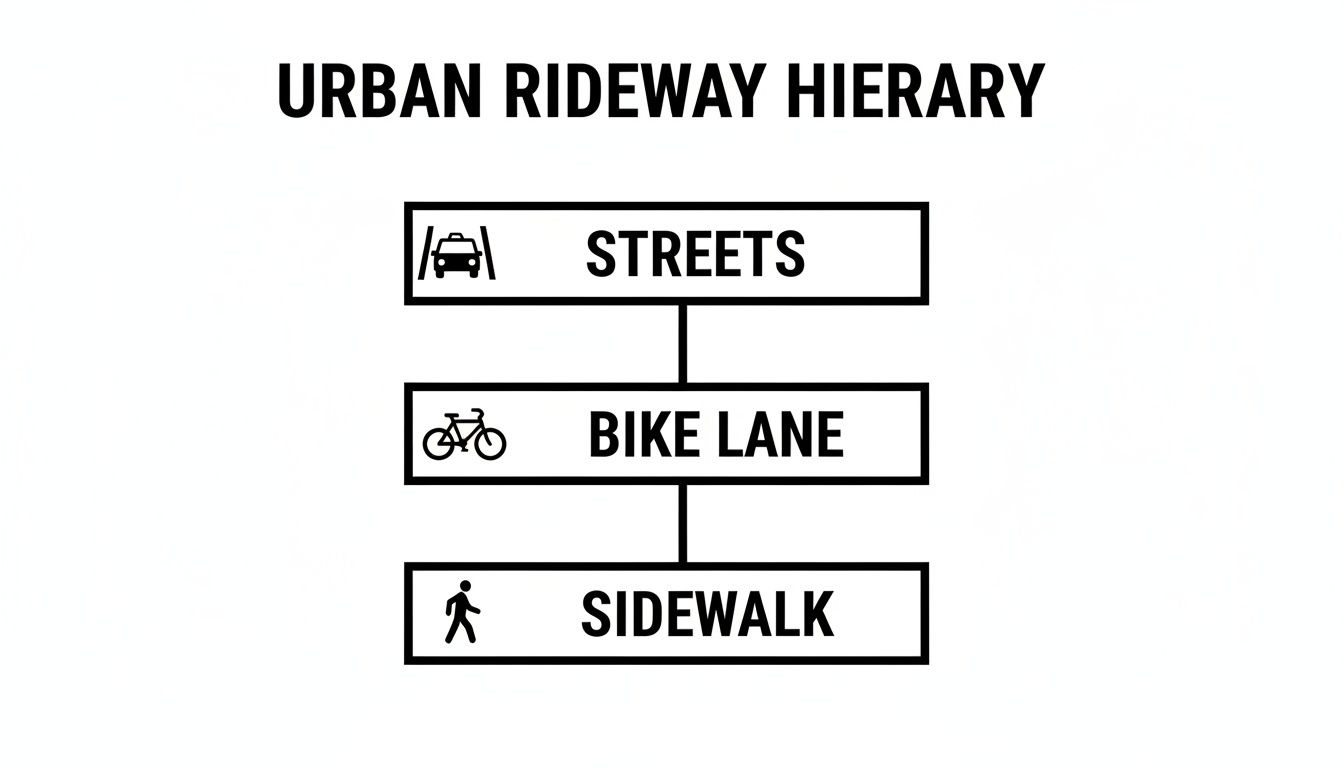
Ride Lane Hierarchy
Most municipalities rank travel surfaces like this:
- Streets
- Bike lanes
- Sidewalks (only when local signs allow)
Stick to bike lanes whenever possible—they’re smoother, safer, and usually faster.
“Treat bike lanes as your default corridor and only use sidewalks when local signs explicitly allow it,” advises a Miami Beach safety officer.
Real Rider Stories
- A Miami Beach student actually saved $200 by detouring three blocks instead of speeding on the sidewalk.
- One Tampa commuter loved the bike lanes until geofencing slowed them to 10 mph on the Riverwalk.
- In Fort Lauderdale, a jogger gave a thumbs-up to a 17-year-old who rang a bell before overtaking on a shared sidewalk.
These real-world examples show how people tweak their route—and their habits—city by city.
Tips To Navigate Local Rules
- Check each city’s official site before you ride for the latest age limits and sidewalk rules.
- Turn on geofencing alerts in your scooter app to spot slow-zone areas in real time.
- Keep a simple age‐and‐gear cheat sheet on your phone or saved in your notes.
- Have any required safety course certificate or registration ready in digital form.
- Wear a reflective vest to meet visibility rules that pop up in some towns.
Quick on-the-ground routine:
- Scan posted scooter signs and follow them immediately.
- Drop to low speed when entering mixed-use or sidewalk zones.
- Keep your helmet and ID handy for random checks.
Planning ahead can cut fine-related detours by up to 50%, according to municipal safety data.
Conclusion And Next Steps
Use this local ordinances guide as your go-to reference when hopping between Florida’s scooter markets. Bookmark the official websites—Miami Beach, Fort Lauderdale, Tampa, Orlando—and don’t forget the Punk Ride Legal Updates page for any last-minute changes.
A little preparation goes a long way toward a hassle-free, ticket-free ride. With these insights, you’ll breeze through local rules and enjoy the ride.
Recent Legislative Updates And Impact
Not too long ago, Florida’s electric scooter scene felt like the Wild West—rules changed from one block to the next. You’d hear stories of riders ticketed for zipping on sidewalks or locals frustrated by surprise bans after a handful of crashes.
City councils scrambled to react. Attorney general memos floated around but didn’t carry much weight on the pavement. As a result, compliance felt more like a guessing game than a clear-cut process.
Then on June 18, 2019, Governor Ron DeSantis signed House Bill 453 into law. In one stroke, this bill:
- Legalized e-scooters across Florida
- Gave them bicycle rights under state traffic codes
- Removed the need for licenses and insurance
- Allowed local governments to tailor ordinances per Florida Statute §316.2128
For a deep dive, check out The Florida Law Group blog.
“House Bill 453 unified the approach and helped riders know that scooters are treated like bikes,” notes a Florida micromobility advocate.
Evolution Of Statewide Framework
Overnight, scooters were on equal footing with bikes. That meant you could cruise in bike lanes or on streets posted under 30 mph without worrying about registration paperwork.
When the pandemic hit, cities leaned into micromobility to ease transit crowding. Startups rolled out fleets by the hundreds, and local rules got fine-tuned:
- 65% surge in scooter rides across urban centers during 2020
- Geofencing introduced around beaches and parks
- Emergency orders extending ride hours for essential travel
In Miami Beach, for example, officials decided to allow sidewalk riding in select tourism districts—proving that state law serves as a backbone while cities add their own safety padding.
Practical Impact For Riders
From Jacksonville’s Riverwalk to Key West’s historic streets, you now have one clear rulebook. No license. No insurance. Simply follow the same signals and right-of-way rules as cyclists.
Shopping for a scooter—say, from Punk Ride—feels safer too. You know every model ticks the state’s boxes. Still, here are a few tips to glide through enforcement smoothly:
- Wear a helmet if you’re under 16, and think about it even if you’re older.
- Yield to pedestrians and use hand signals before turns.
- Install local city apps to spot geofenced slow zones around landmarks.
- Keep your lights and reflectors intact to meet safety ordinances.
Remember: while core rules are uniform, some municipalities differ on sidewalk access and age minimums. Always peek at local codes before exploring a new neighborhood.
Florida’s journey from patchwork chaos to a unified e-scooter framework shows how balance between state direction and local tweaks can work. Riders get clarity, cities get control, and everyone benefits from a safer, more predictable ride experience.
Next up: we’ll tackle your top FAQs on Florida’s scooter laws, penalties, and how to stay on the right side of the rules.
FAQ
Riding an electric scooter in Florida doesn’t have to feel like decoding a legal puzzle. Here’s what you really need to know about helmets, where you can scoot, intoxication limits, and those local curveballs that pop up in different cities.
Do I Need A Helmet?
If you’re under 16, Florida law makes helmets non-negotiable. For everyone else, think of a helmet like a seatbelt—strongly encouraged, even if not strictly required.
Where Can I Ride?
Scooters get treated much like bicycles. You’re welcome on:
- Roads posted under 30 mph
- Bike lanes and trails
- Sidewalks (only if your city allows it)
Since each municipality can tweak the rules, always double-check local ordinances before cruising.
Common Ticket Triggers
Florida’s DUI threshold for scooters sits at a 0.08% blood alcohol level—same as bikes and cars. Beyond that, here are the top five ways riders end up with a citation:
- Riding on prohibited sidewalks
- Skipping a helmet when under 16
- Drinking and scooting
- Carrying extra passengers
- Running red lights or stop signs
Quick Tips To Stay Compliant
Penalties can climb from a simple warning all the way up to $500 in fines—and your scooter might even get impounded. Keep these pointers in mind:
- Use clear hand signals
- Yield to pedestrians
- Slip on reflective gear after sunset
- Scout municipal websites or your scooter app for local rules
Understanding local tweaks can cut your risk of a ticket by 50%
Stay safe, respect others on the path, and enjoy the ride!
Explore our curated selection of top electric scooters at Punk Ride LLC to match any compliance need and style. Ride with confidence!
Share:
Your Guide to the Best Long Range Electric Scooter for Adults
Pedal Assist Bike Explained: Your Complete Rider's Guide