


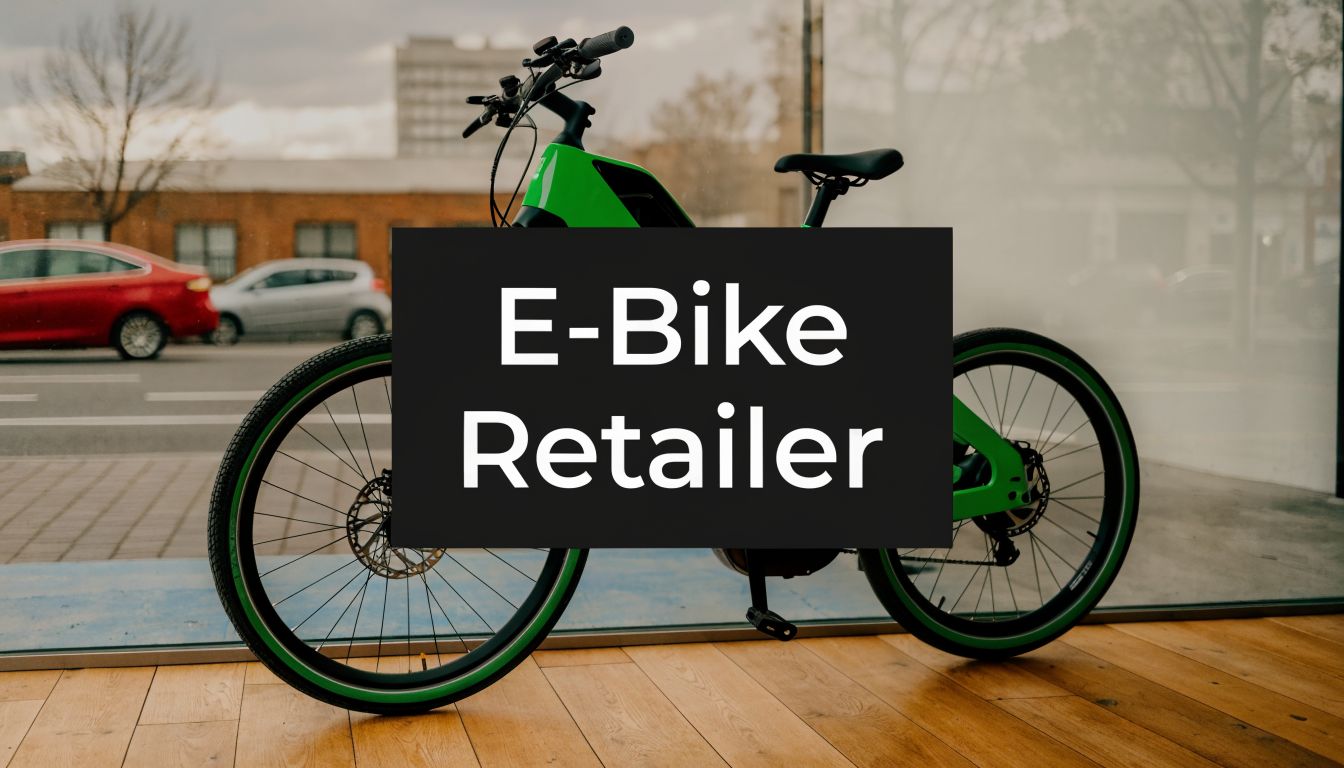
You've probably done the same thing most first-time buyers do. Open ten tabs, compare motor wattage, look at battery size, stare at sale prices, then wonder why every electric bike retailer sounds the same.
That's where people get burned.
A bike can look great on a product page and still become a headache six months later if the seller disappears when you need a charger, a warranty answer, a brake adjustment, or a replacement battery. I've seen riders save money on day one and lose patience, time, and more money after that.
The true purchase isn't just the bike. It's the relationship behind it. The shop, the online seller, the service desk, the parts pipeline, the person who answers when your display throws an error on a wet Tuesday morning.
Your Search for the Perfect E-Bike Starts Here
You're not shopping in a small niche anymore. You're shopping in a crowded, noisy market where good bikes, mediocre bikes, and terrible sellers all sit next to each other on the same screen.
The scale of that choice is part of the problem. The global e-bike market is projected to grow from USD 42.92 billion in 2025 to over USD 106.73 billion by 2033, expanding at a compound annual growth rate of 9.2%, according to Straits Research's electric bike market report. More choice sounds nice until you realise it also means more sellers making the same promises.

A rider walks into my shop mindset all the time, even when they bought online somewhere else. They'll say, “The specs looked good,” and they're usually right. The specs did look good. What they didn't check was whether the retailer could support the bike after delivery.
Why the seller matters more than most buyers think
A proper electric bike retailer does three jobs at once. They help you pick the right machine, they make sure it arrives or leaves the shop in safe working order, and they stay useful after the payment clears.
That last part matters most.
If you're still narrowing down bike types, this electric bike buying guide can help with the bike side of the decision. But once you've got a rough idea of whether you want a commuter, folder, cargo bike, or trail-ready machine, shift your attention to the retailer.
Buy the seller first. Then buy the bike they can actually stand behind.
A flashy discount tells you almost nothing. A retailer's service process tells you nearly everything.
What a Good Electric Bike Retailer Actually Does
A good retailer saves you from a bad two-year ownership experience.
Anybody can sell you a bike on a nice-looking product page. The true test comes later, when the charger fails, the rear brake starts howling, or you need a replacement battery and want a straight answer instead of a support ticket disappearing into the void. That is why I tell buyers to judge the shop by its service habits, not its homepage.
They curate the range and cut the junk
A retailer earns trust by saying no to weak bikes.
Good shops do not flood the site with every white-label model they can import. They trim the range, reject brands with poor parts backup, and stock bikes they can explain and support. If they carry a commuter, they should know who it fits, where it struggles, and what common service issues show up after a few hundred miles. Same for folders, cargo bikes, and trail bikes.
If you are still comparing sellers in your area, this guide to finding electric bikes near you from retailers worth visiting helps you sort the serious shops from the ones just chasing clicks.
They explain the bike in plain English
You should leave the conversation understanding how the bike will ride, how it fits, and what ownership will look like.
That means clear answers on motor feel, battery placement, brake performance, sizing, and range expectations in real riding, not brochure fantasy. If a seller hides behind jargon or keeps repeating spec-sheet terms without translating them into day-to-day use, move on. Clear listings matter too. Smart retailers work to enhance CX with better product information because better detail prevents bad purchases, confused setup, and ugly returns.
The best shops answer the question behind the question.
They prep the bike like a workshop, not a warehouse
Rookie buyers often face disappointments. A bike can be new and still be badly delivered.
A proper retailer checks assembly, torque, brake alignment, shifting, wheel condition, tire pressure, and battery function before handoff or shipment. They tell you what was inspected. They tell you what still needs a quick check after delivery. They do not send out bikes with rubbing rotors, loose cockpit bolts, or gears that skip under load.
Here is what I expect from any seller worth my money:
- Pre-delivery inspection: The bike is checked, adjusted, and test-ridden or function-tested before it reaches you.
- Safe setup: Brakes, gears, fasteners, tires, and electronics are verified, not assumed.
- Battery care guidance: You get simple advice on charging, storage, transport, and cold-weather use.
- Clear support route: You know who handles warranty questions, spare parts, and service problems.
They stay useful after the card goes through
This part separates real retailers from order takers.
Sooner or later, ownership gets messy. You may need a derailleur hanger, a display unit, a charger, a battery health answer, a firmware check, or help sorting shipping damage. Ask a seller what happens when you need a battery two years from now. The pause before they answer is the answer.
Good retailers have a parts plan, a warranty process, and a human being who can tell you what happens next. They reduce friction over the life of the bike. That is the job.
Online Stores vs Your Local Bike Shop
This argument gets oversimplified. People talk like online is cheap and risky, local is expensive and safe. Real life isn't that tidy.
I've seen excellent online retailers and useless local shops. I've also seen brilliant local mechanics rescue bikes sold by faceless websites. What matters is how the retailer handles selection, setup, communication, and support.
Where online stores usually win
Online sellers usually beat local shops on range. You'll often find more frame styles, more colours, more sizes, and more niche formats like folders, fat-tire bikes, cargo options, or compact commuters.
They're also convenient. You can compare brands at midnight from your sofa without driving across town. Some buyers, especially in the UK and EU, like online because local stock can be patchy depending on where they live.

But online only works well when the seller communicates clearly. As noted by Ebike Pros USA, e-bike retailers often fail to communicate realistic inventory and delivery timelines, and a good online retailer stands out by showing real-time inventory by location, region-specific delivery windows, and transparent backorder lead times.
That's not a small detail. It tells you whether the business is organised.
Where local bike shops still have an edge
A good local shop gives you the thing online can't fully replace. Immediate human judgment.
You can swing a leg over the bike. You can feel whether the frame fits. You can test the weight, the reach, the saddle height, the bar width, the first pedal assist kick. You can hear if the brakes rub. You can decide whether a folding bike folds into something you can live with.
And when things go wrong, face-to-face service is hard to beat.
Some riders don't need a test ride. Most of them only realise that after they buy the wrong bike.
The practical trade-offs
| Buying route | Best part | Biggest risk | Best for |
|---|---|---|---|
| Online retailer | Wider selection and home delivery | Weak communication after payment | Buyers who already know their needs and vet support carefully |
| Local bike shop | Test rides and in-person help | Limited model range | First-time buyers who want fit advice and nearby servicing |
| Hybrid retailer | Online selection with regional support | Quality varies by operator | Buyers who want convenience without giving up service options |
A lot of online sellers lose customers at the final step because the buying flow feels clumsy or uncertain. If you run an e-commerce store or you're curious what a smoother buying journey should look like, these advanced checkout optimization strategies show how checkout clarity affects trust.
My advice if you're choosing between the two
Use local if fit, confidence, and hands-on support are your top priorities.
Use online if the retailer is transparent about stock, delivery windows, returns, and service, and you're comfortable doing some setup checks or arranging local maintenance. If you want to compare sellers by region, browsing options like electric bikes near me can help you spot whether a retailer serves your area in a practical way.
Don't choose based on channel alone. Choose based on competence.
Your Pre-Purchase Retailer Checklist
This is the part most buyers skip. Don't.
Before you buy from any electric bike retailer, ask direct questions and pay attention to how they answer. Fast answers matter less than clear ones. A vague reply now usually turns into a painful ownership experience later.

Ask about service before you ask about discounts
It's common to start with price. Start with repairs.
If the bike develops a fault, where does it go? Back to a warehouse? To a local partner? To an in-house workshop? Who pays shipping if something arrives faulty? How are warranty claims handled?
Write the answers down. Don't trust your memory.
Here are the first questions I'd ask:
- Where do repairs happen: In-house, through a partner network, or by shipping the bike back?
- What's the warranty process: Who approves claims and how do you start one?
- Can you supply parts later: Brake pads are easy. Displays, battery mounts, chargers, and controllers are where weak sellers get exposed.
- Do you support bikes you sold after the sale: This sounds obvious. It isn't.
Ask what battery system they actually stock
Battery architecture tells you a lot about the bike and the retailer.
According to ShelfTrend's e-bike marketplace analysis, retailers report that e-bikes with integrated downtube batteries (48V, 14–17 Ah) have 20–30% longer mean time between service visits. That's one reason I tell buyers to ask what battery style the bike uses and whether the seller's staff are trained to support it.
If the retailer can't explain battery access, replacement process, charging expectations, and long-term parts availability, they're not taking aftercare seriously.
Shop-floor rule: Ask the seller what happens when you need a battery two years from now. The pause before they answer is usually the answer.
Ask who built and checked the bike
A boxed bike doesn't magically become road-ready because the listing says “easy assembly.”
Some direct-to-consumer bikes arrive mostly built. Some don't. Even the better ones still need careful final checks. You want to know what work happened before dispatch and what work becomes your problem after delivery.
Ask:
- Was the bike inspected before shipping
- Were brakes and gears adjusted
- Will you provide setup guidance if I assemble it myself
- What tools will I need on day one
If they dodge those questions, expect a frustrating first week.
Here's a useful explainer to watch before you buy or assemble anything yourself:
Ask about returns like someone who expects trouble
You hope the bike is perfect. Plan like it won't be.
Returns policy matters most when the bike arrives damaged, doesn't fit, or feels wrong on the road. Read every line. Some sellers make returns sound simple, then bury the actual conditions.
Check these points:
- Return window: How long do you have after delivery?
- Condition rules: Can you test ride it, or must it remain unused?
- Packaging expectations: Do you need to keep the original box?
- Return cost: Who pays if the bike is defective, and who pays if you change your mind?
Ask for proof of long-term thinking
This one separates retailers from box movers.
A good seller should be comfortable talking about common wear parts, battery replacements, charger compatibility, service videos, and likely maintenance items. They shouldn't act offended when you ask. They should sound prepared.
Look for signs like:
- Spare parts listings
- Clear support pages
- Actual troubleshooting guides
- Named service options
- Straight answers on delivery and damage claims
If you get polished sales language but no ownership detail, keep shopping.
Regional Realities for US UK and EU Buyers
Where you live changes what matters.
A rider in Berlin, Manchester, or Bristol usually thinks about legal road use, compact storage, and practical delivery inside a dense urban area. A rider in Florida, Texas, or California may have a broader spread of bike classes, longer travel distances, and more variation in local rules and infrastructure.

The US market moves differently
The U.S. e-bike market saw 1.7 million imports in 2024, a 71.7% increase from 2023, and the market is valued at USD 2.2 billion, according to this U.S. e-bike market analysis. That kind of growth creates opportunity, but it also brings in more sellers, more mixed quality, and more confusion for buyers.
In the US, I'd be extra strict with retailer vetting. Rapid market growth attracts serious operators and opportunists alike.
UK and EU buyers should care about regional fulfilment
For UK and EU buyers, one of the biggest retailer advantages is simple. Stock close to you.
Regional warehousing can mean fewer delivery surprises, fewer customs headaches, and a more believable support process if the seller needs to send replacement parts. If a retailer serves multiple regions, ask exactly where the bike ships from and what happens if it arrives damaged or incomplete.
That supply chain side is easy to ignore until you need it.
If you want a feel for the logistics behind imported goods, this overview of freight services from China to US gives useful background on why shipping timelines and inventory communication can vary so much.
Laws matter more than buyers expect
In the UK and EU, buyers generally need to be more careful that the bike matches local road-use expectations. In the US, rules can vary more by state and class, which means the same bike might feel straightforward in one place and awkward in another.
That's why I always tell buyers to check local compliance before they fall in love with a spec sheet. If you're shopping in America, this guide to electric bike laws by state is a practical starting point.
The wrong bike from the right retailer is still the wrong bike. But the right bike from the wrong retailer becomes a problem faster.
My regional advice in plain terms
- US buyers: Scrutinise support, legal fit, and delivery claims.
- UK buyers: Prioritise compliance, local service options, and nearby fulfilment.
- EU buyers: Focus on parts support across borders and realistic shipping from regional stock.
A retailer who understands your region will answer those concerns quickly and specifically. A weak one will stay generic.
Common Pitfalls and Your Next Steps
The biggest rookie mistake is buying on price alone. Cheap is fine. Unsupported is not.
Another common mistake is assuming every authorised or established-looking seller has a genuine post-sale process. As noted by EZE-Bikes, a major gap in the market is post-purchase support, with many retailers failing to provide transparent information on repair times or service options. That lines up with what riders complain about in practice.
Mistakes worth avoiding
- Chasing the lowest price: If support is poor, the discount disappears fast.
- Ignoring parts availability: Batteries, chargers, displays, and mounts matter long after the first ride.
- Skipping retailer questions: If you don't ask now, you'll pay for the answer later.
- Treating all online sellers as equal: They aren't. Some are organised. Some are chaos with a checkout page.
What to do next
Start with your actual use. Commuting, errands, leisure rides, train-and-bike travel, or mixed terrain. Then shortlist two or three retailers, not just two or three bikes.
Send each retailer the same questions. Judge the clarity of the answers. Buy from the one that sounds ready to deal with real ownership, not just the sale.
If you want a retailer that treats the purchase like the start of the relationship, not the end of it, take a look at Punk Ride LLC. Browse the range, ask direct questions about stock, service, and delivery, and judge the answers the same way you'd judge any serious electric bike retailer.
Share:
The Health Benefits of Riding Electric Bikes
Best Electric Scooters Made in USA: 2026 Buying Guide