


We've all been there: that sweaty-back feeling from a heavy backpack on a warm day. It’s not great. This is exactly why a good e-bike bag isn't just an accessory—it's a total game-changer, turning your bike into a seriously practical machine for daily life. These aren't just bags; they're essential upgrades that make every ride safer, more balanced, and way more enjoyable.
Why Your E-Bike Needs a Dedicated Bag

Adding the right storage to your electric bike is about more than just convenience. It’s about unlocking what the bike can really do. Forget about the back strain from a heavy rucksack or the wobbly chaos of a shopping bag dangling from your handlebars. A purpose-built bag just clicks into place, working with your bike, not against it.
Think of it like this: you wouldn't take a tote bag on a mountain hike, right? An e-bike is the same. It has a specific frame, a battery to work around, and you're often travelling at higher speeds. It needs a storage solution built for those exact demands.
Balancing Weight and Improving Safety
The number one reason to get a proper e-bike bag is how it handles weight. A heavy backpack throws your centre of gravity way up high, making you feel wobbly and unstable, especially when you take a corner or have to brake suddenly. By attaching the load directly to the bike's frame, you bring that centre of gravity down low, making the ride feel solid and predictable.
That stability is a huge safety win, especially if you're navigating busy city streets in the US or cruising along a coastal path in Australia. These bags are designed around the unique shapes of e-bikes, making sure your stuff doesn't get in the way of the battery, your pedals, or your ability to steer clear of trouble.
The whole point of an e-bike bag is to carry what you need without messing up how the bike handles. Getting the weight distribution right is everything for staying in control and having a smooth, safe trip.
The market numbers back this up. Valued at USD 172.2 million in 2023, the global bike bag industry is expected to blow up to USD 559.3 million by 2033. A huge part of that growth is thanks to people like us jumping on e-bikes. You can read the full research on bike bag market growth if you want to dive into the data.
More Than Just Storage
Beyond the safety aspect, the right bag turns your e-bike from a fun ride into a proper utility vehicle. It just opens up so many possibilities that a backpack can't touch.
- Commuting with Ease: Pack your laptop, lunch, and a change of clothes. You'll arrive at the office feeling fresh, not like you just finished a workout.
- Effortless Errands: A quick trip for groceries or a run to the post office becomes dead simple. No more figuring out how to juggle bags on the way home.
- Weekend Adventures: Throw a picnic or some day-trip essentials in your bag and go. Your e-bike becomes a ticket to explore.
Ultimately, getting the right e-bike bag is about making your ride more practical, comfortable, and secure. It’s the final piece of the puzzle that takes your electric bike from a cool gadget to a tool you can't live without.
Matching the Right Bag to Your Ride
Picking the right bag for your e-bike is a bit like packing for a trip—what you bring depends entirely on where you're going and what you're doing. A massive touring setup is just plain overkill for a quick run to the corner store, right? The goal is to hit that sweet spot between carrying everything you need and keeping your bike feeling nimble and fun to ride.
Let's walk through the most common styles out there. Each one has its own vibe, offering a different mix of space, easy access, and impact on how your bike handles. Figuring out these differences is the secret to a smoother, more practical ride.
E Bike Bag Type Comparison
Before we dive deep, here’s a quick-glance table to help you compare the main players. Think of this as your cheat sheet for finding the perfect e-bike bag.
| Bag Type | Capacity Range | Best For | Pros | Cons |
|---|---|---|---|---|
| Pannier | 10-25+ litres (each) | Commuting, touring, grocery runs | Huge capacity, keeps weight low | Requires a rack, can be bulky |
| Handlebar | 1-10 litres | Quick-access items, navigation | Super convenient, keeps essentials in view | Can affect steering if overloaded |
| Saddle | 0.5-15+ litres | Repair kits, minimalist touring | Stays out of the way, aerodynamic | Limited space, can sway if large |
| Frame | 2-15+ litres | Bike-packing, distributing heavy gear | Excellent for balance, utilizes dead space | Can interfere with bottle cages or e-bike batteries |
This table gives you the basics, but the real magic is in knowing how each bag feels and functions in the real world. Let's get into the specifics.
Pannier Bags: The Cargo Champions
When you imagine loading up a bike, you're probably picturing panniers. These are the undisputed workhorses of the e-bike world. They clip onto a rack over your rear wheel (or sometimes the front) and can haul a seriously impressive amount of stuff. This makes them the obvious choice for daily commuters, grocery shoppers, and long-haul tourists.
Picture a US commuter pedaling through a busy city. A good pair of waterproof panniers means their laptop, change of clothes, and lunch arrive perfectly dry. Or think of an Aussie rider heading down the coast for the weekend; those same bags are now packed with camping gear. The real genius of panniers is how they keep all that weight low to the ground, so your e-bike’s fantastic balance is barely affected.
Handlebar Bags: Your On-The-Go Cockpit
A handlebar bag is your command center, sitting right where you can see it and reach it. Think of it as your e-bike’s glove compartment—perfect for the things you grab all the time. Your phone, wallet, keys, and a few snacks are always right there, no need to stop and dig around in a bigger bag.
They're usually on the smaller side, from 1 to 10 litres, so they don’t mess with your steering or get tangled in your cables. A rider navigating through a busy Australian city might love one with a clear top for their phone's map, while someone cruising a scenic trail in the US could keep a camera in there, ready for that perfect photo op.
A great handlebar bag just makes your ride simpler. It puts your must-haves at your fingertips so you can stay focused on the road and enjoy the journey.
Just remember to pack light. Overstuffing a handlebar bag can make your steering feel sluggish and heavy, so save it for your lightweight, high-priority items.
Saddle Bags: Small and Unobtrusive
Tucked away neatly under your seat, a saddle bag (or seat pack) is the minimalist's dream. It’s tiny, aerodynamic, and completely out of the way—you’ll honestly forget it’s even there, which is exactly the point. Its job is to hold the "just-in-case" stuff you hope you never need.
This is where you stash your ride-saving kit: a spare inner tube, a multi-tool, tire levers, and a CO2 inflator. Because they attach to any bike and don't get in the way of racks or batteries, they’re just as handy on a sleek road e-bike in the US as they are on a tough commuter in Australia.
- Compact Storage: Keeps your emergency repair kit secure and out of sight.
- Zero Interference: Doesn't affect your ability to mount other bags or accessories.
- Universal Fit: Attaches easily to nearly any type of saddle and seat post.
It won't hold your weekly shop, but a good saddle bag means a flat tire is a minor inconvenience, not a ride-ending disaster.
Frame Bags: For Ultimate Stability
Frame bags are cleverly designed to sit inside the main triangle of your bike's frame. This low, central position is hands-down the best place to carry weight because it has virtually no effect on your bike's handling. It's no wonder they're a huge favorite with long-distance tourers and off-road adventurers.
For an American trail rider, a slim frame bag holds essentials without interfering with their suspension or their ability to move around on the bike. For someone touring the Australian outback, a bigger one can hold heavier gear like a power bank or water bladder, helping to balance out the load in their panniers. The only major catch for e-bike riders is battery placement—you have to make sure the bag doesn’t block access to a frame-mounted battery. Always double-check compatibility
How to Ensure a Perfect and Secure Fit
Let's be honest, a wobbly bag isn't just annoying—it's a real safety hazard, especially when you're cruising at e-bike speeds. Getting the fit right is absolutely critical for a stable, confident ride. This is less about the bag itself and more about how it connects to your bike. The mounting system is the handshake between your gear and your e-bike, and a limp grip can ruin your whole day.
Think of it like hanging something on a wall. You'd use a tiny tack for a poster, but you’d grab a heavy-duty anchor bolt for a massive bookshelf. E-bike bag mounts follow the same logic. You have to match the strength of the connection to the weight you're hauling.
Choosing Your Connection Method
There are pretty much three main ways e-bike bags attach, and each has its own trade-offs. Figuring these out will help you find a system that feels solid and works for you.
- Velcro Straps: These are the OG universal solution. Simple, effective, and great for lighter stuff like a small saddle pack or some frame bags. The downside? They can stretch out over time or shift around on bumpy roads, so they’re not the best choice for heavy loads or your daily high-speed commute.
- Quick-Release Clamps: Now we're talking. This is a huge step up in security. These systems use beefy clamps that lock onto your handlebars or a rack, giving you a fantastic blend of stability and convenience. You can pop your bag off in seconds, which is perfect when you need to bring your pannier into the office or the grocery store.
- Bolt-On Racks: This is the most secure method, full stop. A rack bolted directly to your e-bike's frame creates a rock-solid foundation for panniers and trunk bags. If you’re planning to carry serious weight—like a week’s worth of groceries or all your touring gear—a bolt-on rack is a must-have.
Navigating E-Bike Specific Challenges
E-bikes throw a few unique curveballs into the mix that you just don't see on regular bikes. A little bit of foresight here will save you a world of frustration later. One of the biggest culprits is the battery. If your e-bike has a big battery slapped on the down tube, it can seriously cramp your style when it comes to frame bags. Always, always measure the open space in your bike’s main triangle before you even think about buying one.
Another common headache comes from integrated parts. A lot of e-bikes, especially those sold in the US and Australian markets, come with built-in rear racks, lights, and fenders. While super handy, these can sometimes get in the way of certain bag mounts.
Before you hit "buy," go take a really good look at the back of your bike. Check for clearance around the brake calipers, any wiring for your tail lights, and the specific shape of the pre-installed rack. Make sure your new bag can actually clip on without a fight.
This simple flowchart can help you narrow down your choices based on how you ride.

As you can see, your main gig—whether it's commuting or touring—points you toward the bags that are truly built for that purpose.
Your Pre-Purchase Fit Checklist
To dodge the headache of a return, run through this quick mental checklist. Taking five minutes to confirm these points will make sure your new e-bike bag works perfectly from the moment you unbox it.
- Check Your Rack: Got one already? Is it a standard design? Some e-bike brands use proprietary racks that only play nice with their own bags.
- Measure Your Clearances: Get real measurements of the space around your battery, suspension parts, and any built-in lights.
- Confirm the Mounting Style: Decide if simple straps are good enough or if you need the bombproof security of clamps or a bolt-on system.
- Consider Your Load: Be real with yourself. A 20-litre pannier filled with groceries needs a much beefier mount than a tiny saddle bag holding a spare tube and a multi-tool.
By thinking through both the bag’s attachment system and the unique layout of your electric bike, you'll end up with a secure, rattle-free setup that lets you just enjoy the ride.
Getting to Grips with Materials and Weatherproofing
Let’s be honest, the weather doesn’t care about your plans. A surprise downpour on your commute through Boston or the scorching Sydney sun can threaten everything you’ve packed. This is why knowing your bag’s material and level of weatherproofing isn't just for gearheads—it's about protecting your stuff.

Think of an e-bike bag as a technical jacket for your gear. Some are designed to shrug off a light drizzle, while others are built to survive a full-on monsoon. The secret lies in the fabric and, just as importantly, how it's all put together.
What Makes a Great Bag? The Fabric.
The material a bag is made from dictates its toughness, weight, and how well it stands up to mother nature. You’ll run into a few common names, but two of the biggest players are Cordura and Ripstop Nylon.
- Cordura: This stuff is the heavyweight champion of durability. It’s incredibly tough and resists scuffs and scrapes like nothing else, making it ideal for the daily grind or more rugged adventures. The only real trade-off? It’s a bit on the heavier side.
- Ripstop Nylon: Famous for being feather-light, Ripstop has a special grid pattern of thicker threads woven into the fabric. This grid is a clever trick: if a tear does start, it stops it from spreading. It's the go-to choice if you want to keep weight down without giving up on strength.
You might also see bags made from coated tarpaulin, which has a rubbery, impenetrable feel. This is the same sort of material used for lorry covers, so you know it means business when it comes to keeping water out.
Waterproof vs. Water-Resistant: The Difference is Huge
This is the single most misunderstood part of buying a bag, and getting it wrong can mean a very, very soggy laptop. These terms are not interchangeable. Not even close.
Water-resistant gear can handle a bit of spray, a light shower, or splashes from a puddle. The fabric has a tight weave or a light coating that makes water bead up and roll off. For a quick ride when the forecast is a bit iffy, it’s usually perfectly fine.
Waterproof, on the other hand, is a promise. It’s a whole different league of protection. A genuinely waterproof bag is designed to keep everything inside bone-dry, even in a torrential downpour. For a peek at what serious waterproof construction looks like, check out this collection of dry bags.
Clues to True Waterproofing
So how do you tell if a bag is truly waterproof? The devil is in the details. Look for these construction cues.
- Welded Seams: Instead of being stitched—which creates thousands of tiny holes for water to seep through—the fabric panels are heat-bonded. This process creates a single, impenetrable seal.
- Roll-Top Closures: This is the gold standard. By rolling the top of the bag down on itself a few times and clipping it shut, you create a physical barrier that water just can't get past. Simple, but incredibly effective.
- Coated Zippers: You’ll see these on water-resistant bags. They have a rubbery coating over the teeth to help keep rain out. They’re a great feature, but just know that they can still let water through in a sustained downpour.
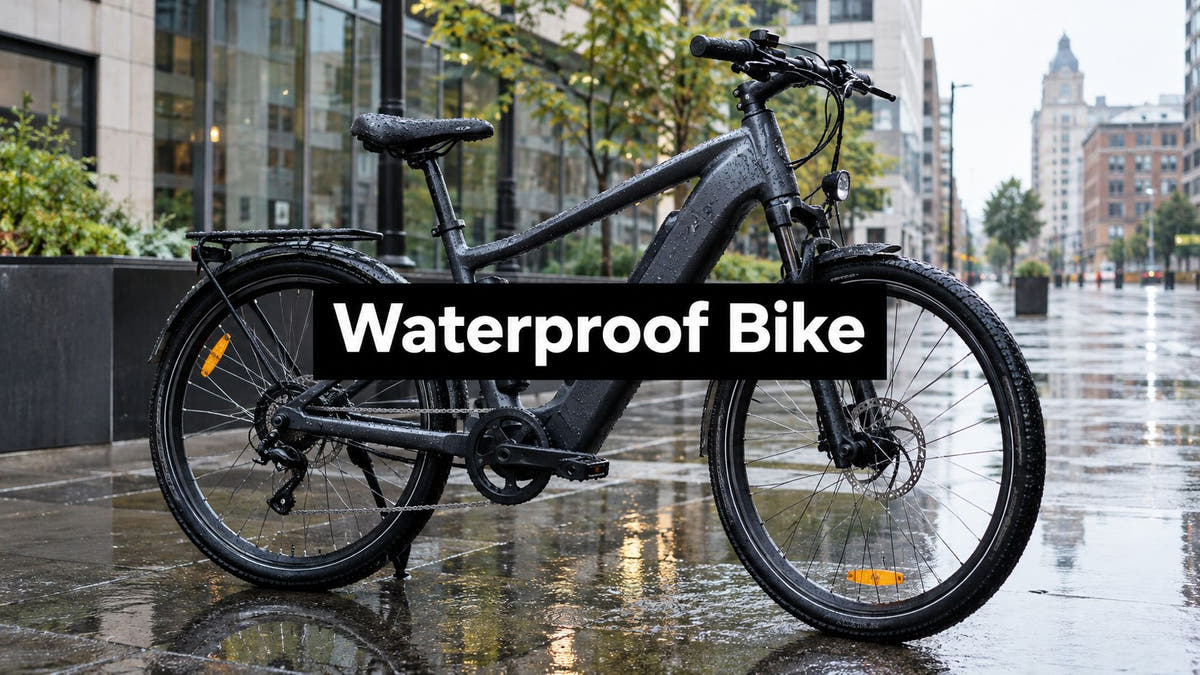
Of course, your bag is only half the equation. It's also worth knowing whether your e-bike itself is built to handle the rain. We've got you covered with our guide on electric bike waterproof capabilities. At the end of the day, matching your bag’s weatherproofing to your local climate and riding style gives you the freedom to ride whenever, wherever.
Mastering the Art of Smart Packing
Getting the right e-bike bag is half the battle, but how you pack it is what separates a smooth, nimble ride from a sketchy, wobbly one. An overloaded or poorly balanced bag can turn your agile e-bike into a stubborn mule that wants to pull you all over the road. The secret is all in the weight distribution.
There's one golden rule here: keep your heaviest items low, centered, and as close to the bike's frame as you can get them. Think of it like a seesaw. If you put a heavy weight way out on one end, it’s a struggle to keep it level. But place that same weight right over the pivot point, and balancing becomes easy. Your bike is no different—a low center of gravity is your best friend for staying stable, especially when you pick up speed.
Real-World Packing Scenarios
Let's put that theory into practice. How you load up should change depending on what you're hauling and which bags you're using.
-
The Grocery Run: You've got two panniers ready to go. Don't just fill one up and then start on the other. You have to play a balancing game. Split the heavy stuff—milk, cans, potatoes—between the two bags, making sure they go in the bottom. Then, you can pile the lighter things like bread and eggs on top. This keeps the bike from trying to lean to one side constantly.
-
The Daily Commute: You're carrying a hefty D-lock, a laptop, and your lunch. That lock is a dense brick of metal, and the worst thing you can do is toss it in a handlebar bag. It'll make your steering feel heavy and sluggish. A frame bag is the perfect spot, keeping that weight low and perfectly centered. Your laptop can go in a pannier, preferably in a padded sleeve and slid in so it sits against the rack itself.
-
The Weekend Trip: When you're packing for a longer adventure, think about what you'll need to grab on the fly. Snacks, your phone, or a rain jacket should go in a super accessible handlebar or top-tube bag. Gear you won't touch until you stop for the night, like a spare battery, should be tucked down low in a pannier. And speaking of batteries, if you're carrying a spare, we've got some great tips in our guide on managing your e-bike removable battery.
Making Sense of Bag Capacity
Bag capacity is almost always measured in liters, which can feel a bit abstract. What does 20 liters of space actually look like when you're trying to stuff a jacket into it? Let's translate those numbers into something that makes more sense.
Understanding a bag's volume in liters helps you choose the right size without adding unnecessary bulk. A 15-liter bag isn't just a number; it's the difference between carrying just the essentials and being prepared for a full day out.
Here’s a quick guide to help you visualize what fits where:
-
1-5 Liters (Small Saddle/Handlebar Bags): This is your "get the junk out of my pockets" size. It’s perfect for a phone, wallet, keys, a multi-tool, and a snack bar. Ideal for short, fun rides.
-
10-20 Liters (Small Panniers/Large Handlebar Bags): Now we're talking. This size can usually handle a compact laptop (up to 13 inches), a light jacket, your lunch, and all those essentials. It's the sweet spot for a lot of daily commuters.
-
20-40+ Liters (Large Panniers/Trunk Bags): This is your heavy-hauling territory. A single 25-liter pannier can swallow a full bag of groceries or enough gear for an overnight trip. When you see a pair of panniers advertised as 40 liters, that just means each bag holds about 20 liters.
By getting a feel for capacity and sticking to the rules of weight distribution, you can make sure your e-bike handles exactly like it was designed to—smoothly and safely, no matter what you've packed.
Essential Features Every E-Bike Rider Needs
A bag isn't just a bag when it comes to e-bikes. The best ones are loaded with smart features that go way beyond just carrying your stuff. These aren't just marketing fluff; they’re genuinely useful additions designed for the realities of riding an electric bike, from keeping your gear safe to charging on the move.
Paying attention to these little details is what separates a decent bag from one you can't live without. Let's dig into the key features you should absolutely have on your radar.
Security on the Go
Your e-bike is a big investment, and so is the laptop or phone you’re probably carrying in your bag. Bag designers get this, which is why you're seeing more security features built right in. They offer some much-needed peace of mind when you have to pop into a shop or lock your bike up in public.
Here are a few security bits to look for:
- Lockable Zippers: Simple but effective. These have little loops on the zipper pulls that let you slip a small padlock through, stopping a casual thief in their tracks.
- Slash-Proof Fabrics: Higher-end bags sometimes weave a steel mesh or other tough-as-nails material into the fabric. This means a thief can't just slice it open and grab your valuables.
- Hidden Pockets: A sneaky pocket tucked away against the bike rack or your back is the perfect spot for your wallet, keys, or phone. Out of sight, out of mind.
Conveniences Built for E-Bikes
The smartest e-bike bags are designed with the "e" front and center. They have features that work with your bike's tech and your connected lifestyle.
Think of these as quality-of-life upgrades. They might seem minor, but they solve the unique little problems that pop up with e-bikes, making your daily ride that much easier.
One of the most useful features is a padded compartment designed for a spare battery or your charger. It stops your expensive electronics from getting knocked around and keeps those heavy items snug and low for better bike balance.
Another genius touch is the integrated cable port. It's a small, rubber-sealed hole that lets you thread a charging cable from a power bank inside the bag to your phone on the handlebars. No more battery anxiety when you're using GPS on a long ride.
Staying Seen and Safe
Visibility is everything, especially if you’re riding in busy US cities or during the long summer evenings in Australia. Your bag can be one of your best tools for making sure drivers see you.
Look for bags with generous amounts of high-contrast reflective accents. We’re not talking about tiny logos, but big panels or stripes that shine brightly when car headlights hit them. Many bags also now include dedicated light mounts—tough little loops perfect for clipping a rear LED light onto, positioning it high and right in the driver's line of sight.
If you’re keen to dial up your safety, check out some of the best electric bike accessories to complement your setup. These details aren't just for show; they genuinely help keep you seen and safe out there.
Your E-Bike Bag Questions Answered
Still got a few questions rattling around? That's totally normal. Picking the right e-bike bag is a pretty important decision, so let's tackle some of the most common things riders ask. Think of this as the last little bit of practical advice you need to feel great about your choice.
Do I Really Need E-Bike Specific Bags?
You might be able to make a regular bike bag work, but honestly, bags designed specifically for e-bikes are almost always the way to go. They’re built from the start with electric bikes in mind.
That means they account for things like wider frames, awkward battery placements, and use beefier mounting systems that can handle the extra speed and vibration. An e-bike bag just gives you a more secure, stable, and all-around safer fit.
How Do I Keep My Pannier Bags from Throwing Me Off Balance?
This is a huge one for handling and safety. The goal is simple: distribute the weight as evenly as you can between your two panniers.
Here's the trick: put your heaviest stuff—like that big D-lock, your laptop, or a can of beans—at the very bottom of each bag. Try to get it as close to the center of the wheel as you can. This keeps your bike's center of gravity low and centered, which is key to avoiding that wobbly, top-heavy feeling and staying in control.
A well-balanced bike is a predictable bike. Taking a moment to pack your panniers properly is one of the easiest ways to improve your ride quality and safety, especially when cornering or braking.
Will a Big Bag Drain My Battery Faster?
Technically, yes, but it's probably not as dramatic as you're picturing. Any extra weight or aerodynamic drag will ask a little more from your battery, reducing its range.
For most day-to-day loads, the difference is so small you probably won't even notice it. You'll only see a real impact if you're loading up for a long-haul tour with a ton of heavy gear. If you pack smart and choose a bag that isn't a giant parachute, you'll be just fine.
What's the Absolute Best Bag for My Laptop?
Hands down, a waterproof pannier with a built-in, padded laptop sleeve is the king here. This combo gives you the best protection for a few reasons.
It keeps your heavy, fragile laptop low to the ground for better bike balance. The padded sleeve is crucial for soaking up all those road vibrations and bumps. And, of course, the waterproofing means your expensive tech stays bone-dry even if you get caught in a downpour.
Ready to transform your ride? Explore the perfect e-bike for your adventures at Punk Ride. Find your ideal match and experience urban mobility like never before. Visit us at https://www.punkride.com.


Share:
A Practical Guide to Your E Bike Removable Battery
Choosing an Electric Bike Rain Cover Your Ultimate Guide