


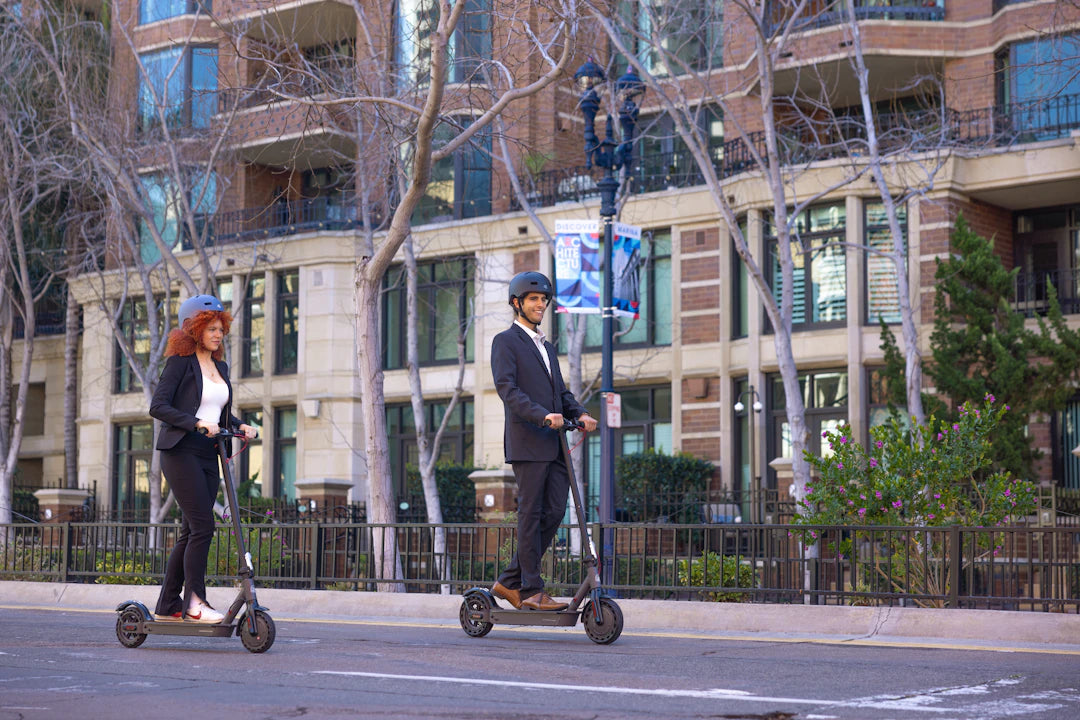
Overview
Electric scooters offer significant environmental benefits, including reduced carbon emissions, lower energy consumption, and improved air quality. By replacing traditional vehicles, they help decrease traffic congestion and promote public health. Their sustainable production and integration into urban transport systems make them a key player in creating greener cities and stimulating economic opportunities. Embracing electric scooters is a step towards a cleaner, healthier future.
Table of Contents
- Electric Scooters vs. Traditional Vehicles
- 1. Reduced Carbon Emissions
- 2. Lower Energy Consumption
- 3. Less Traffic Congestion
- Positive Impact on Air Quality
- 1. Decreased Nitrogen Dioxide and Particulate Matter
- 2. Improved Public Health
- Environmental Sustainability of Electric Scooters
- Sourcing Materials Responsibly
- Battery Life and Recycling
- Creating a Multi-Modal Transportation Future
- Last-Mile Solutions
- Encouraging Public Transit Usage
- Electric Scooters and Urban Planning
- Building Scooter-Friendly Infrastructure
- Economic Benefits of Electric Scooters
- Employment Opportunities
- Cost Reduction for Users
- Table: Comparative Analysis of Transportation Methods
- The Future is Electric
Key Takeaways
- Significant Reduction in Carbon Emissions: Electric scooters can produce up to 80% fewer emissions compared to petrol or diesel vehicles.
- Lower Energy Consumption: They require less energy to operate, promoting overall energy efficiency.
- Decreased Traffic Congestion: Fewer electric scooters on the road lead to reduced congestion and improved air quality in urban areas.
- Improved Air Quality: Adoption of electric scooters can substantially lower nitrogen dioxide and particulate matter emissions.
- Health Benefits: Cleaner air from reduced pollution can lead to fewer respiratory issues and better public health outcomes.
- Sustainable Manufacturing Practices: Many manufacturers are focusing on using recycled materials and responsible sourcing for production.
- Enhanced Urban Mobility: Electric scooters provide effective last-mile solutions, encouraging the use of public transport and reducing reliance on personal vehicles.
Frequently Asked Questions
1. What are the environmental benefits of using electric scooters?
2. How do electric scooters compare to traditional vehicles in terms of emissions?
3. What impact do electric scooters have on urban air quality?
4. How do electric scooters contribute to public health?
5. What role do electric scooters play in the future of urban transportation?
In recent years, the popularity of electric scooters has surged, not only for their convenience but also for their potential to transform urban transportation. With increasing concerns about environmental sustainability, many individuals are turning towards ways to reduce their carbon footprints. This blog post delves deep into understanding the environmental benefits of electric scooters, specifically focusing on the advantages of using a durable electric scooter.
Electric Scooters vs. Traditional Vehicles
To fully grasp the environmental benefits of electric scooters, it is essential to compare them with traditional fuel-powered vehicles. Traditional vehicles are notorious for emitting greenhouse gases, which contribute significantly to air pollution and global warming. In contrast, electric scooters are powered by rechargeable batteries, meaning they do not emit harmful pollutants during operation.
1. Reduced Carbon Emissions
The transportation sector is a major contributor to greenhouse gas emissions. By choosing to ride a durable electric scooter, individuals can significantly lower their carbon footprint. According to studies, electric scooters can produce up to 80% fewer emissions than petrol or diesel vehicles.
2. Lower Energy Consumption
Electric scooters require less energy to operate compared to traditional vehicles. Their efficiency can translate into lower energy consumption overall. This is crucial, given the increasing demand for energy from renewable sources.
3. Less Traffic Congestion
By using electric scooters, riders contribute to less congestion on roads. Fewer cars mean less time spent idling in traffic, which leads to lower emissions and better air quality in urban environments. This benefit highlights how a small vehicle can have a significant impact on city traffic dynamics.
Positive Impact on Air Quality
One of the most pressing environmental issues in urban areas is poor air quality. Emission from vehicles contributes to smog and respiratory diseases. By adopting electric scooters as a mode of transport, cities can see substantial improvements in air quality over time.
1. Decreased Nitrogen Dioxide and Particulate Matter
Nitrogen dioxide (NO2) and particulate matter are common pollutants found in the air due to emissions from vehicles. With the use of a durable electric scooter, these emissions are virtually eliminated, leading to healthier air for everyone.
2. Improved Public Health
Cleaner air directly influences public health. Reduced air pollution can lower the incidence of asthma, bronchitis, and other respiratory issues, fostering a healthier population. By opting for electric scooters, individuals play a part in promoting better health outcomes in their communities.
Environmental Sustainability of Electric Scooters
The lifecycle of electric scooters also holds environmental implications. From production to disposal, understanding their sustainability is crucial for evaluating their overall green benefits.
Sourcing Materials Responsibly
The production of electric scooters involves sourcing materials, many of which can be harmful to the environment if not sourced responsibly. Fortunately, manufacturers committed to sustainability are increasingly focusing on using recycled materials in the production of durable electric scooters.
Battery Life and Recycling
One essential factor in the sustainability of electric scooters is the lifespan of their batteries. The lithium-ion batteries used in many scooters are efficient but have disposal issues if not recycled properly. Businesses that operate eco-friendly practices often have programmes in place for recycling used batteries, which can help reduce harmful waste.
Creating a Multi-Modal Transportation Future
Electric scooters play a vital role in a multi-modal transportation future. Integrating multiple modes of transport—like bike-sharing and public transit—significantly enhances urban mobility and sustainability.
Last-Mile Solutions
One of the most pressing issues in urban transport is the 'last mile' problem. Electric scooters provide a perfect solution for this issue, enabling users to cover short distances efficiently without the need for a car.
Encouraging Public Transit Usage
When individuals have access to durable electric scooters for the last mile, it encourages more people to utilise public transport. This shift reduces the reliance on personal vehicles and contributes to lowered emissions across entire cities.
Electric Scooters and Urban Planning
Urban planning can significantly affect the adoption of electric scooters in cities. By implementing infrastructure that accommodates electric scooters, municipalities can foster their use.
Building Scooter-Friendly Infrastructure
- Cycling lanes for safe travel
- Dediated parking areas for scooters
- Integration with public transportation depots
Such initiatives demonstrate a commitment to sustainable transportation solutions and enhance the overall efficiency of urban traffic management.
Economic Benefits of Electric Scooters
While the environmental benefits are substantial, the economic advantages of adopting electric scooters should not be overlooked.
Employment Opportunities
The rise in electric scooter usage creates new job opportunities in maintenance, manufacturing, and rental services. This could potentially lead to new green jobs that contribute to a sustainable economy.
Cost Reduction for Users
Electric scooters are often cheaper to operate than traditional vehicles. With lower energy costs and minimal maintenance requirements, users can save money while contributing to the environment.
Table: Comparative Analysis of Transportation Methods
| Transportation Method | Carbon Emissions (g/km) | Energy Efficiency (Wh/km) | Impact on Air Quality |
|---|---|---|---|
| Durable Electric Scooter | 0 | 15-20 | Significantly improved |
| Petrol Vehicle | 180-250 | 70-100 | Severe pollution |
| Electric Car | 40-60 | 20-25 | Moderately improved |
From the comparison above, it is clear that durable electric scooters shine in both energy efficiency and carbon emission reduction.
The Future is Electric
As society becomes ever more conscious of climate change and environmental challenges, the shift towards sustainable forms of transport is inevitable. Electric scooters represent a significant leap towards greener urban environments. By adopting and promoting the use of durable electric scooters, we can all play a role in creating a cleaner, healthier planet.
In embracing the environmental benefits of electric scooters, not only do we enhance our mobility and reduce our carbon footprints, but we also contribute to a narrative of sustainable living. Let's continue to ride towards a better tomorrow—one durable electric scooter at a time!
Glossary
| Term | Meaning |
|---|---|
| Electric Scooter | A two-wheeled, battery-powered vehicle for personal transport. |
| Carbon Footprint | The total greenhouse gas emissions caused by an individual or activity. |
| Greenhouse Gases | Gases that trap heat in the atmosphere, contributing to global warming. |
| Air Quality | The measure of pollution in the air we breathe. |
| Last Mile | The final leg of a journey, typically from a transport hub to a destination. |
| Public Transit | Shared transport services available for use by the general public. |
| Energy Efficiency | The ratio of useful output of services to the energy input. |
| Pollutants | Substances that contaminate the environment and harm health. |
| Sustainability | Meeting present needs without compromising future generations. |
| Urban Planning | The process of designing city layouts to improve functionality and livability. |
Linked Product

AOVOPRO ES80 Electric Scooter
track their speed, battery life, and ride statistics conveniently. The AOVOPRO ES80 Electric Scooter is designed for urban commuting, offering a range of up to 22 miles under optimal conditions, making it ideal for daily trips and errands. Its sturdy construction and water-resistant rating ensure durability and reliability in various riding conditions.
View Product
Share:
Aventon Electric Bike Charger Your Complete 2026 Guide
The Ultimate Scooter Electric Motor Guide 2026