


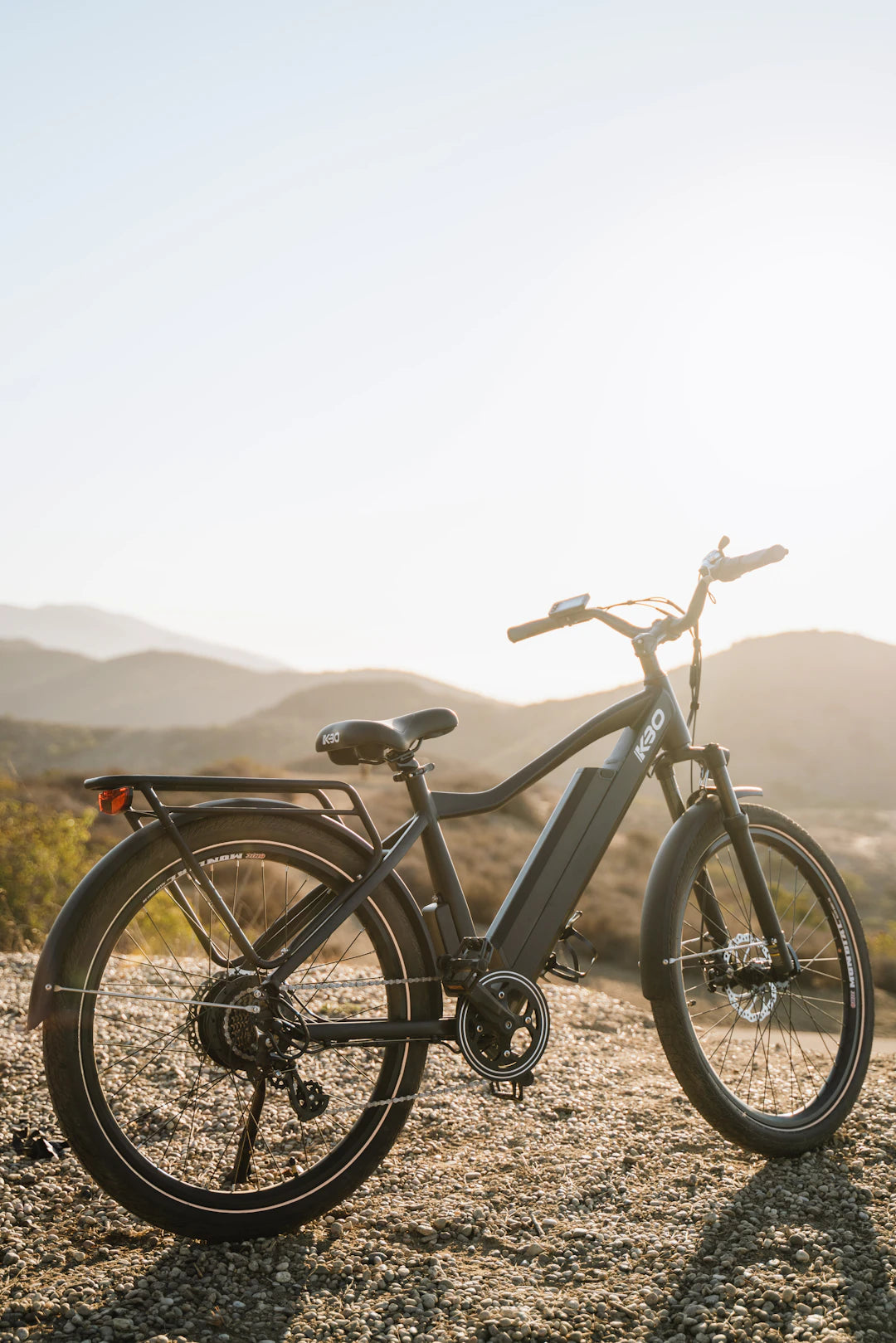
Overview
Electric bikes and scooters are becoming increasingly popular for urban commuting due to their eco-friendliness and convenience. This article explores their technology, including key components like motors, batteries, and controllers, as well as benefits such as cost efficiency and improved mobility. Safety tips and maintenance advice are provided, alongside a glimpse into the future of electric mobility, highlighting the potential for growth in this sector. Models like the AOVOPRO ES80 scooter exemplify the advancements in this field.
Table of Contents
- What is an Electric Bike or Scooter?
- The Core Components of Electric Bikes and Scooters
- 1. Electric Motor
- 2. Battery
- 3. Controller
- 4. Frame and Wheels
- 5. Brakes
- Additional Features Enhancing the Riding Experience
- 1. Regenerative Braking
- 2. Smart Technology Integration
- 3. Suspension Systems
- The Benefits of Riding Electric Bikes and Scooters
- Safety Considerations When Riding Electric Bikes and Scooters
- Maintenance Tips for Electric Bikes and Scooters
- 1. Regular Battery Care
- 2. Tire Maintenance
- 3. Cleaning
- The Future of Electric Mobility
- Join the Electric Revolution
Key Takeaways
- Electric bikes (e-bikes) assist with pedalling, making them suitable for longer distances and hilly terrains.
- Electric scooters are designed for quick, short journeys, powered entirely by an electric motor.
- The electric motor is crucial for propulsion, with hub motors being easy to maintain and mid-drive motors offering better balance.
- Regenerative braking recovers energy while braking, enhancing efficiency and extending the vehicle's range.
- Modern e-bikes and scooters often feature smart technology integration for tracking speed, distance, and battery status.
- Regular maintenance, including battery care and tire checks, is essential for optimal performance.
- Safety measures such as wearing a helmet and following local traffic rules are vital for a secure riding experience.
Frequently Asked Questions
1. What are electric bikes and scooters?
2. What are the main components of electric bikes and scooters?
3. What are the benefits of riding electric bikes and scooters?
4. What safety considerations should riders keep in mind?
5. How can I maintain my electric bike or scooter?
The rise of eco-friendly transportation options has made electric bikes and scooters an attractive choice for urban commuters. With effortless mobility and reduced carbon footprints, their popularity is skyrocketing. In this article, we will dive deep into the technology behind electric bikes and scooters, exploring the components, mechanics, and benefits that make these vehicles a fantastic option for modern travel. Among the various models, the AOVOPRO ES80 electric scooter exemplifies excellent engineering that many riders cherish.
What is an Electric Bike or Scooter?
Electric bikes (e-bikes) and electric scooters are innovations in personal mobility powered by electric motors. They are designed primarily for convenience and sustainability. Let’s look at the core distinctions between these two types of vehicles:
- Electric Bikes (E-bikes): These are bicycles equipped with a battery-operated motor to assist with pedalling, making them ideal for longer distances or hilly terrains.
- Electric Scooters: Typically characterised by a platform for standing and no pedals, electric scooters are powered entirely by an electric motor and are designed for quick, short journeys.
The Core Components of Electric Bikes and Scooters
Every electric bike and scooter comprises several essential parts that work harmoniously to deliver a smooth riding experience. Understanding these components helps users appreciate the technology that powers them.
1. Electric Motor
The electric motor is the heart of e-bikes and scooters, providing the necessary propulsion. Generally, they come in two main types:
- Hub Motors: Positioned within the wheel, hub motors are easy to maintain and deliver adequate power for city commutes.
- Mid-Drive Motors: Located at the bike's frame, these motors provide better balance and efficiency, especially on uphill rides.
2. Battery
The battery supplies power to the motor, and its capacity is reflected in amp-hours (Ah). The range of an e-bike or scooter depends significantly on the battery size and efficiency. The AOVOPRO ES80 electric scooter, for instance, comes equipped with a robust battery that offers extended rides on a single charge.
3. Controller
The controller acts as a communication hub between the battery and the motor. It translates the rider's commands into action, regulating the power supplied to the motor based on the selected speed and throttle input.
4. Frame and Wheels
The frame of e-bikes and scooters is designed to support the added weight of the motor and battery while still providing durability and comfort. Additionally, larger wheels reduce rolling resistance, enhancing the vehicle’s overall efficiency.
5. Brakes
Electric bikes and scooters come equipped with several braking systems, from traditional disc brakes to regenerative braking systems that help recharge the battery during stops. This technology not only enhances safety but also contributes to energy conservation.
Additional Features Enhancing the Riding Experience
Modern electric bikes and scooters often incorporate advanced features designed to improve user experience and usability. Here are some popular technologies:
1. Regenerative Braking
This technology allows e-bikes and scooters to recover some energy while braking, converting it back into electrical energy that recharges the battery. This feature enhances the efficiency and overall range of the vehicle, especially beneficial in urban settings with frequent stop-and-go traffic.
2. Smart Technology Integration
With advancements in smart technology, many models now feature integrated apps that track speed, distance, and battery status. Users can also lock their bikes or scooters remotely for added security.
3. Suspension Systems
To ensure comfort on longer rides, many electric bikes and scooters are equipped with suspension systems that absorb shocks from uneven terrains. This enhances ride quality significantly, making commutes or recreational rides more enjoyable.
The Benefits of Riding Electric Bikes and Scooters
Now that we’ve explored the core technology behind electric bikes and scooters, let’s look at the benefits they offer:
| Benefits | Description | |-------------------------------|------------------------------------------------------------| | Eco-Friendly | Lower carbon emissions compared to conventional vehicles. | | Cost-Efficient | Reduced fuel and maintenance costs lead to savings. | | Convenience | Easy parking and shorter commutes enhance urban mobility. | | Fitness | E-bikes promote physical activity through pedal assist. | | Versatility | Ideal for various terrains, from urban streets to trails. |Safety Considerations When Riding Electric Bikes and Scooters
While electric bikes and scooters provide quick and efficient transport, safety should always be a priority. Here are some tips to ensure a safe riding experience:
- Wear a Helmet: Always wear a certified helmet to protect your head in case of an accident.
- Be Visible: Use lights and reflective gear, especially when riding at night.
- Follow Traffic Rules: Abide by all local laws and regulations regarding riding electric vehicles.
- Check Your Vehicle: Regularly inspect your bike or scooter before each ride to ensure everything is functioning correctly.
Maintenance Tips for Electric Bikes and Scooters
To keep your electric bike or scooter in prime condition, maintenance is crucial. Here are some essential tips:
1. Regular Battery Care
Ensure your battery is charged and regularly check for any signs of wear. Store it in a cool, dry place to prolong its life.
2. Tire Maintenance
Check the tire pressure routinely and inspect them for any damages. Proper tire maintenance enhances the performance and range of your vehicle.
3. Cleaning
Keep your bike or scooter clean to prevent dirt build-up that could hinder performance. Use a gentle wipe and avoid harsh chemicals that might damage the components.
The Future of Electric Mobility
The future holds exciting possibilities for electric bikes and scooters. With ongoing advancements in battery technology, artificial intelligence, and connectivity features, manufacturers are continually innovating to offer improved experiences for users. Research suggests that the global electric bike market is expected to grow significantly, driven by factors like urbanisation, environmental concerns, and enhanced lifestyle choices.
Join the Electric Revolution
Now that you've gained insights into the technology behind electric bikes and scooters, it’s clear how they revolutionise personal transportation. With models like the AOVOPRO ES80 electric scooter representing the best in engineering and design, there’s never been a better time to consider making an eco-friendly transition. Whether commuting or exploring, electric mobility offers limitless possibilities. Embrace the future, and transform your commuting experience today!
Glossary
| Term | Meaning |
|---|---|
| Electric Bike (E-bike) | A bicycle with a battery-operated motor to assist pedalling. |
| Electric Scooter | A stand-up vehicle powered entirely by an electric motor. |
| Hub Motor | A motor located within the wheel, providing easy maintenance. |
| Mid-Drive Motor | A motor located at the bike's frame for better balance and efficiency. |
| Battery | Supplies power to the motor, measured in amp-hours (Ah). |
| Controller | Regulates power between the battery and motor based on rider input. |
| Regenerative Braking | Recovers energy while braking to recharge the battery. |
| Smart Technology | Integrated apps that track performance and enhance security. |
| Suspension System | Absorbs shocks for a more comfortable ride on uneven terrains. |
| Eco-Friendly | Lower carbon emissions compared to traditional vehicles. |
Linked Product

AOVOPRO ES80 Electric Scooter
track their riding statistics and customize settings for a personalized experience. The AOVOPRO ES80 Electric Scooter is designed for urban commuting, offering a practical range of up to 17 miles per charge, with the potential to reach 22 miles in favorable conditions. Its durable aluminium alloy frame and IP65 rating enhance its reliability, making it suitable for everyday use in various environments.
View Product
Share:
Electric Bike Rental: Your Complete Rider's Guide
Electric Bike vs Motorcycle: A US Commuter's Guide