


Overview
Electric scooters and bikes are great for urban commuting, but optimising battery life is essential. Key tips include understanding battery basics, avoiding overcharging, using the correct charger, maintaining smooth riding habits, and being mindful of environmental factors. Regular maintenance and monitoring battery health will extend its life. Recognise signs for replacement, such as decreased range or overheating. With proper care, you can enjoy efficient and sustainable rides.
Table of Contents
- Understanding Battery Basics
- Charging Your Battery Right
- 1. Avoid Overcharging
- 2. Use the Right Charger
- 3. Charge Regularly
- Optimal Riding Practices
- 1. Smooth Acceleration and Deceleration
- 2. Maintain Steady Speeds
- 3. Use Pedal Assistance Wisely
- Environmental Factors
- 1. Temperature
- 2. Terrain
- 3. Weight Capacity
- Battery Maintenance
- When to Replace Your Battery
- Final Thoughts and Pro Tips
Key Takeaways
- Understand your battery type: Most electric bikes and scooters use lithium-ion batteries, known for their longevity and efficiency.
- Avoid overcharging: Unplug your charger once the battery is fully charged to prevent degradation.
- Charge regularly: Top up your battery to around 80% capacity for optimal performance and lifespan.
- Maintain smooth riding habits: Accelerate and decelerate gently, and maintain a steady speed to conserve battery life.
- Monitor environmental factors: Be aware that temperature extremes and terrain can impact battery performance.
- Perform regular maintenance: Check connections, inspect for damage, and clean terminals to ensure optimal battery health.
- Recognise signs for replacement: Look for decreased range, overheating, or physical damage as indicators that your battery may need replacing.
Frequently Asked Questions
1. What is the lifespan of a lithium-ion battery in electric scooters and bikes?
2. How can I properly charge my electric bike or scooter battery?
3. What riding practices can help extend battery life?
4. What environmental factors can affect battery performance?
5. When should I replace my electric bike or scooter battery?
In today's fast-paced world, electric scooters and bikes have become essential tools for urban commuting. They offer an eco-friendly, efficient, and fun way to navigate city streets. However, to fully enjoy your ride, understanding how to maximise your electric bike or scooter battery life is crucial. This guide will provide you with practical tips and insights to help you get the most out of your urban commuting scooter or electric bike.
Understanding Battery Basics
Before diving into optimisation strategies, it's essential to understand the type of battery your electric bike or scooter uses. Most modern devices utilise lithium-ion batteries due to their efficiency and longevity. Here are some key characteristics:
- Longer Lifespan: Lithium-ion batteries can last several years, depending on usage and care.
- Lightweight: These batteries are relatively light, which helps in maintaining the device's overall performance.
- Self-Discharge Rate: Unlike lead-acid batteries, lithium-ion batteries have a lower self-discharge rate, making them more efficient.
Charging Your Battery Right
Charging techniques can significantly impact your battery’s health and lifespan. Here are some best practices:
1. Avoid Overcharging
While it might be convenient to leave your electric bike or scooter plugged in overnight, overcharging can degrade the battery's health. Most modern chargers have built-in mechanisms to prevent overcharging, but it’s wise to unplug them once fully charged.
2. Use the Right Charger
Always use the charger specified by your manufacturer. Using a charger that isn’t compatible can lead to unsafe conditions and may damage your battery.
3. Charge Regularly
It's best to top up your battery regularly rather than letting it fully discharge. Lithium-ion batteries perform better when charged to around 80% capacity instead of 100%, helping to preserve their lifespan.
Optimal Riding Practices
Your riding habits can also play a significant role in battery life. Here’s how to ride smart:
1. Smooth Acceleration and Deceleration
Sudden starts and stops can drain your battery faster. Try to accelerate smoothly and plan your stops in advance. Rolling to a stop rather than using the brakes abruptly can conserve your battery.
2. Maintain Steady Speeds
Keep a steady speed while riding. Frequent speed changes force the battery to work harder and can lead to quicker exhaustion. Try to maintain a consistent pace to optimise battery efficiency.
3. Use Pedal Assistance Wisely
If your electric bike offers a pedal-assist feature, take advantage of it. Using the pedal-assist function will help take some load off the battery, allowing for extended rides.
Environmental Factors
The environment in which you commute can greatly influence battery performance. Here are a few elements to consider:
1. Temperature
Batteries tend to perform optimally between 10°C and 25°C. Extremely hot or cold conditions can affect their efficiency. If riding in adverse weather, be aware that your battery may not last as long as expected.
2. Terrain
Riding uphill can drain your battery more quickly than cruising on flat terrain. If you know you’ll be tackling inclines during your journey, try to conserve power by using less aggressive acceleration or employing pedal assistance.
3. Weight Capacity
Always be mindful of the weight you are carrying. Heavier loads require more energy, leading to faster battery depletion. Limit accessories and additional loads to help maintain battery life.
Battery Maintenance
Proper maintenance can prolong your battery’s lifespan and ensure it operates at peak performance. Here's a comprehensive battery care checklist:
| Task | Frequency | Details |
|---|---|---|
| Check Battery Connections | Every month | Ensure there’s no corrosion or loose connections. |
| Inspect Battery Housing | Every month | Look for signs of damage or swelling. |
| Clean Battery Terminals | Every three months | Use a dry cloth to remove dust and ensure good contact. |
| Check Battery Life Indicator | Regularly | Monitor for accuracy and performance updates. |
When to Replace Your Battery
Even with optimal care, your electric bike or scooter battery will eventually need replacing. Here are signs that it may be time for a new one:
- Decreased Range: If your battery isn’t holding a charge or the range is significantly reduced, it’s likely nearing end-of-life.
- Frequent Overheating: If the battery becomes excessively hot during charging or riding, it could indicate an issue.
- Swelling or Damage: Any visible swelling or physical damage suggests it’s time to replace your battery to avoid potentially hazardous situations.
Final Thoughts and Pro Tips
Maximising the life and performance of your electric bike or urban commuting scooter battery takes some effort but pays off in the long run. By understanding basic battery care, best practices for charging, riding techniques, and regular maintenance, you're sure to enjoy an efficient and enjoyable commute.
Remember, every ride you take on your urban commuting scooter should be an experience that fuels your passion for sustainability and adventure. With a little attention and care, you'll not only extend your battery's life but also delight in many remarkable journeys ahead!
Glossary
| Term | Meaning |
|---|---|
| Electric Scooter | A lightweight, battery-powered vehicle for urban transport. |
| Lithium-Ion Battery | A rechargeable battery known for its efficiency and long lifespan. |
| Overcharging | Leaving a battery plugged in beyond full charge, which can harm its health. |
| Pedal Assistance | A feature that helps riders by providing extra power while pedalling. |
| Self-Discharge Rate | The rate at which a battery loses charge when not in use. |
| Battery Maintenance | Regular checks and care to prolong battery life and performance. |
| Range | The distance an electric bike or scooter can travel on a full charge. |
| Terrain | The type of ground surface, affecting battery usage and efficiency. |
| Charging Practices | Best methods for charging to enhance battery lifespan. |
| Weight Capacity | The maximum load a bike or scooter can carry without affecting performance. |
Linked Product

AOVOPRO ESMAX Electric Scooter
The AOVO PRO ESMAX Electric Scooter is designed for urban commuters seeking a comfortable and reliable ride. With a range of up to 28 miles on a single charge and dual suspension for a smoother experience, it effectively accommodates longer daily journeys. Its foldable frame and smart app features enhance portability and convenience, making it a practical choice for everyday travel.
View Product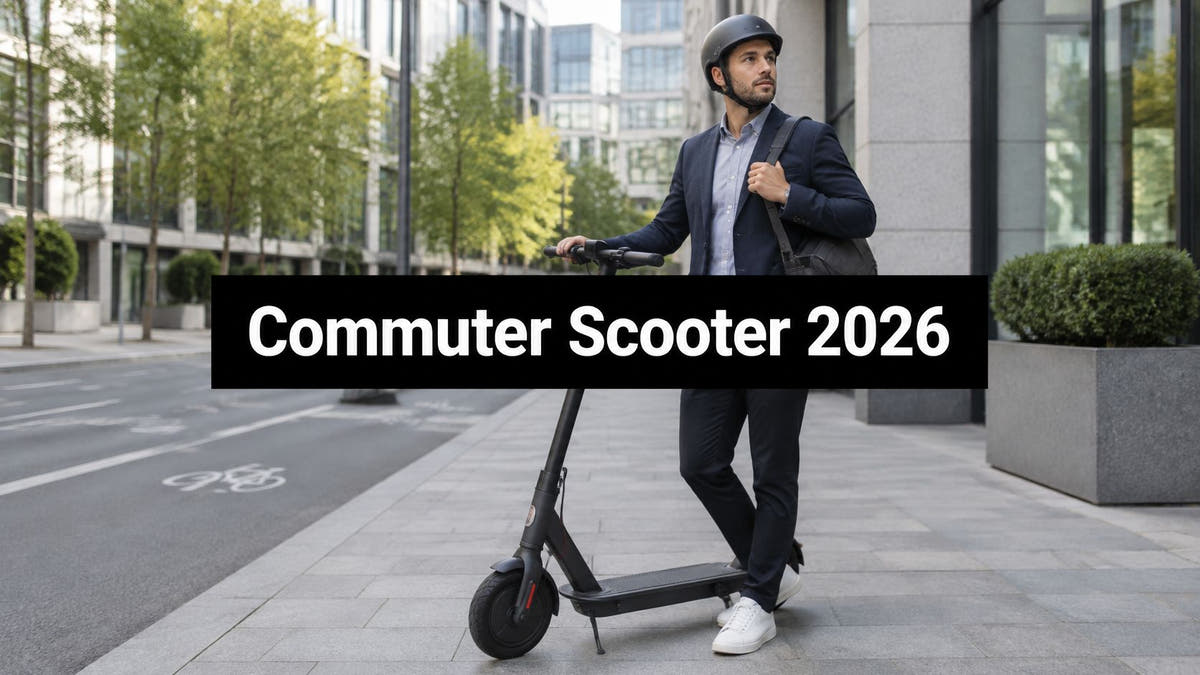

Share:
Choosing the Best Scooter Chain Lock in 2026
Your Complete Guide to Scooter Inner Tubes