


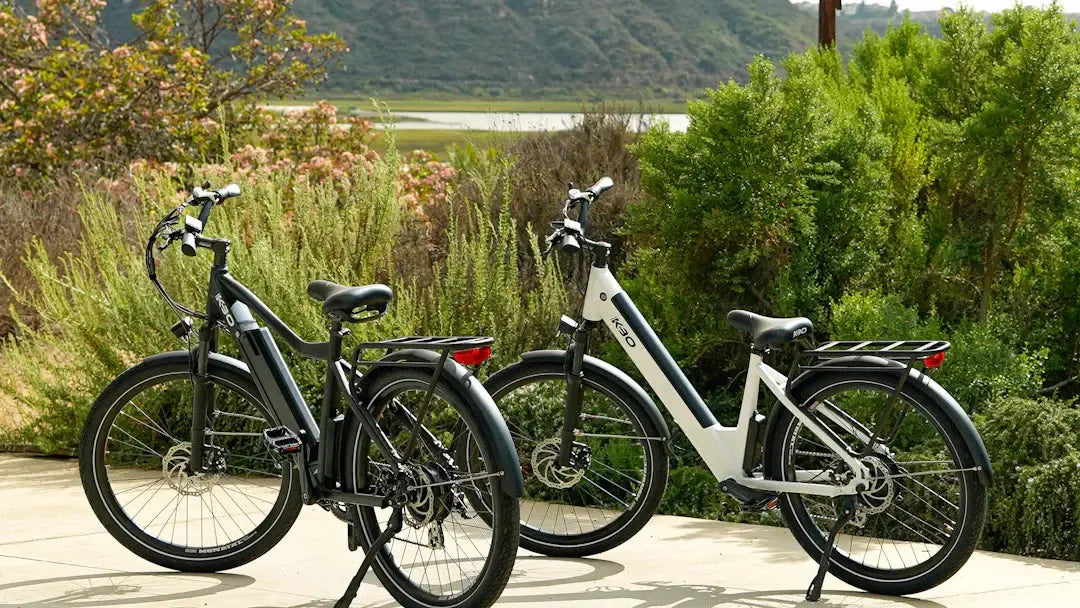
Overview
Electric bikes and scooters are gaining popularity as sustainable transport options that reduce carbon emissions and traffic congestion. While they offer significant environmental benefits, challenges such as infrastructure and public perception remain. Choosing eco-friendly models like the ENGWE Engine Pro 2.0 can enhance their positive impact, contributing to greener urban environments. Embracing these alternatives is crucial for a sustainable future.
Table of Contents
- What Are Electric Bikes and Scooters?
- The Environmental Benefits of Electric Bikes and Scooters
- Reduced Carbon Footprint
- Less Traffic Congestion
- Energy Efficiency
- The Lifecycle Impact of Electric Bikes and Scooters
- Manufacturing Process
- Battery Disposal and Recycling
- Supporting a Green Overview: Choosing the Right E-Scooter or E-Bike
- Challenges Facing Electric Bikes and Scooters
- Infrastructure and Safety Concerns
- Public Perception and Acceptance
- Case Studies: Cities Embracing Electric Mobility
- The Future of Electric Mobility
Key Takeaways
- Environmental Impact: Electric bikes and scooters significantly reduce carbon emissions, contributing to cleaner air quality in urban areas.
- Traffic Congestion: These vehicles occupy less road space than cars, helping to alleviate traffic jams and improve urban mobility.
- Energy Efficiency: Electric bikes consume approximately 1/40 of the energy that cars do per mile, making them a more sustainable option.
- Sustainable Manufacturing: When selecting electric bikes or scooters, prioritise manufacturers that focus on sustainable production and provide transparency about their environmental practices.
- Infrastructure Needs: The adoption of electric bikes and scooters is hindered by inadequate infrastructure, such as bike lanes and charging stations.
- Public Education: Increasing public awareness and addressing misconceptions about electric mobility can enhance acceptance and usage.
- Future Potential: Continuous advancements in battery technology and urban planning are paving the way for a more sustainable future in electric mobility.
Frequently Asked Questions
1. What are electric bikes and scooters?
2. What are the environmental benefits of electric bikes and scooters?
3. What challenges do electric bikes and scooters face?
4. How can I choose a sustainable electric bike or scooter?
5. What is the future of electric mobility?
The world is increasingly shifting towards sustainable transportation, and electric bikes and scooters have become increasingly popular in recent years. As urban areas grow and the demand for eco-friendly transport rises, understanding the environmental impact of these two-wheeled solutions is vital. In this blog, we will explore the benefits and challenges of electric bikes and scooters, particularly focusing on models like the ENGWE Engine Pro 2.0. We will also discuss how these devices contribute to greener cities and ways we can maximise their positive effects.
What Are Electric Bikes and Scooters?
Electric bikes and scooters are powered by electric motors and rechargeable batteries, offering a sustainable alternative to traditional vehicles. They are known for their ability to reduce carbon emissions, lower traffic congestion, and save on fuel costs. With advances in technology, electric bikes like the ENGWE Engine Pro 2.0 deliver impressive performance, making them an attractive choice for commuters and leisure riders alike.
The Environmental Benefits of Electric Bikes and Scooters
Reduced Carbon Footprint
The most significant environmental advantage of electric bikes and scooters is their reduced carbon footprint. Unlike petrol or diesel-powered vehicles, they produce no tailpipe emissions during operation, effectively decreasing air pollution levels. According to research, electric two-wheelers can contribute significantly to lowering greenhouse gas emissions.
Less Traffic Congestion
As cities become more populated, traffic congestion remains a pressing issue. Electric bikes and scooters require less road space than cars, helping to alleviate traffic jams. Fewer cars on the roads also means reduced emissions and improved air quality, creating a healthier urban environment. By opting for an electric bike like the ENGWE Engine Pro 2.0, riders can contribute to decreased congestion in their cities.
Energy Efficiency
Electric bikes and scooters are considerably more energy-efficient than traditional forms of transport. A study indicated that electric bikes consume about 1/40 of the energy that cars do per mile. With advancements in battery technology, the development of long-lasting rechargeable batteries is making it increasingly possible to power electric vehicles with renewable energy sources.
The Lifecycle Impact of Electric Bikes and Scooters
While electric bikes and scooters are generally environmentally friendly, it's essential to examine their lifecycle impact, including production, operation, and disposal.
Manufacturing Process
The production of electric bikes and scooters can involve environmental costs, particularly in the sourcing of raw materials and manufacturing processes. Lithium-ion batteries, used in many electric bikes, require the extraction of metals such as lithium, cobalt, and nickel, which can lead to environmental degradation and pollution if not managed properly. Responsible manufacturers are addressing these concerns by improving practices to ensure sustainability.
Battery Disposal and Recycling
Battery disposal is another issue that warrants attention. Improper disposal can lead to soil and water contamination. However, recycling initiatives are emerging to recover valuable materials from used batteries. Proper recycling can significantly reduce the environmental impact. Companies producing models like the ENGWE Engine Pro 2.0 are recommended to engage in eco-friendly recycling programmes to mitigate this issue further.
Supporting a Green Overview: Choosing the Right E-Scooter or E-Bike
When selecting an electric bike or scooter, consider models that prioritise sustainability in their design and manufacturing process. Look for manufacturers that offer transparency about the environmental impact of their products. Here is a quick checklist to help you in your search:
- Check for battery recycling options.
- Evaluate the production materials and methods.
- Research the carbon footprint of the manufacturer.
- Look for eco-certifications or endorsements.
- Consider energy-efficient models like the ENGWE Engine Pro 2.0.
Challenges Facing Electric Bikes and Scooters
Despite their numerous benefits, electric bikes and scooters face several challenges that can hinder their adoption and environmental impact.
Infrastructure and Safety Concerns
Many cities lack the necessary infrastructure to accommodate electric mobility, which can deter potential users. Adequate bike lanes, parking facilities, and charging stations are essential to promote safety, particularly when considering relationships with larger vehicles on the road.
Public Perception and Acceptance
Public perception plays a crucial role in the adoption of electric bikes and scooters. Misconceptions about the safety or reliability of these models can hinder potential users from making the switch. Education and awareness campaigns can help in promoting the benefits of electric two-wheelers over conventional transport.
Case Studies: Cities Embracing Electric Mobility
There are several cities worldwide that have successfully embraced electric bikes and scooters, creating a blueprint for sustainable urban mobility:
| City | Initiative | Impact |
|---|---|---|
| Amsterdam | Extensive bike and scooter lanes | 47% of commutes are by bike |
| Copenhagen | Subsidised electric bike programs | Reduced carbon emissions by 20% since 2008 |
| Berlin | Shared electric scooter programmes | Lowered overall traffic in central areas by 15% |
The Future of Electric Mobility
With continuous improvements in battery technology and urban planning aimed at supporting e-mobility, the future of electric bikes and scooters looks promising. As electric vehicles become more integrated into public transport systems, we can expect a more sustainable urban landscape that prioritises the health of both residents and the planet.
In light of the various advantages that electric bikes and scooters offer, making the switch to greener transportation becomes an enticing option. Models like the ENGWE Engine Pro 2.0 provide an excellent blend of performance and sustainability, allowing riders to contribute positively to their environment. Adopting these eco-friendly transportation methods can play a crucial role in advancing towards a more sustainable future and minimising the impacts of climate change.
In a world where environmental challenges loom large, shifting our everyday transport choices might just be the adventure that leads us towards a brighter, greener tomorrow. So, why delay? Join the revolution and discover how electric bikes and scooters can not only enhance your daily commute but also make a significant difference for our planet!
Glossary
| Term | Meaning |
|---|---|
| Electric Bike | A bicycle powered by an electric motor and battery. |
| Electric Scooter | A two-wheeled vehicle with an electric motor, designed for personal transport. |
| Carbon Footprint | The total greenhouse gas emissions caused by an individual or product. |
| Energy Efficiency | The ability to use less energy to perform the same task. |
| Lithium-ion Battery | A rechargeable battery commonly used in electric vehicles. |
| Recycling | The process of converting waste materials into reusable materials. |
| Infrastructure | The physical structures needed for the operation of electric transport. |
| Public Perception | The general opinion or attitude of the public towards a subject. |
| Eco-friendly | Products or practices that do not harm the environment. |
| Urban Mobility | The movement of people within urban areas using various transport modes. |
Linked Product

ENGWE Engine Pro 2.0 Electric Bike
The ENGWE Engine Pro 2.0 Electric Bike features a powerful 1200 W motor, providing efficient pedal-assist for longer rides with a range of up to 110 km. Its hydraulic disc brakes ensure reliable stopping power, while the folding frame design allows for easy portability and convenient storage. This bike is suitable for urban commuting and recreational use, promoting an eco-friendly transportation option.
View Product
Share:
Ultimate segway scooter repair guide to fix your ride
Your Ultimate Guide to Top Rated Electric Bikes in 2026