


Can Electric Scooters Go Uphill? – Hill Climbing Explained for UK & EU Riders
Quick Answer
Yes — electric scooters can go uphill, but how well they climb depends on the scooter’s motor output, battery condition, rider weight, hill steepness, tyre grip, and how long the hill lasts. A scooter that climbs a short incline easily can struggle on a longer, steeper hill — especially if the battery is low or the rider is heavier.
This guide explains hill climbing in plain English, shows you how to judge your own route, and recommends the best AOVO and iScooter models for hills and real commuting.
Browse scooters: Shop Electric Scooters
The 3 Things That Decide Hill Climbing
1) Torque (not just “watts”): Hill climbing is about usable pulling power. More torque means the scooter can keep moving without bogging down.
2) Rider weight + load: Extra weight is the biggest real-world difference between “climbs fine” and “struggles.” A backpack, shopping bag, and heavier rider all add up.
3) Battery level + temperature: Scooters usually climb best when the battery is fairly full. Cold weather and low battery reduce available power.
Why Some Scooters Feel Weak on Hills
Most commuters assume “motor watts” is the full story. It isn’t. Two scooters with similar claimed motor power can climb very differently because of:
• how the scooter delivers torque at low speed
• controller tuning (how aggressively power is fed)
• battery voltage and how stable it is under load
• tyre grip and wheel size
• rider weight and hill length
Hill climbing is a stress test. If your route includes repeated hills, you’ll enjoy your scooter more if it has extra performance headroom rather than “barely enough.”
How to Check If Your Commute Has “Real Hills”
Not all hills are equal. A short ramp is very different from a long steep climb. Use this simple approach:
Step 1: Open your route in Google Maps and look at elevation (if available) or simply note the steepest sections.
Step 2: Identify whether your hills are short and steep (hard launches) or long and steady (sustained load).
Step 3: If you have long hills and you’re a heavier rider, choose a model with more capability than you think you need.
Best Scooters for Hills on Punk Ride
Below are practical picks based on “hill confidence.” These aren’t about chasing hype — they’re about buying the scooter that won’t annoy you on your commute.
Best Overall Hill-Commuter Balance: iScooter i10 Pro
If you want a strong all-round commuter with better hill confidence than entry-level models, the i10 Pro is an excellent choice. It’s designed as a premium-feel daily rider, which usually means better stability and less “struggle” on slopes.
Best AOVO for Hills + Daily Use: AOVO PRO ESMAX
If you want AOVO value but your route isn’t perfectly flat, the ESMAX is the smarter commuter pick because it’s positioned as the upgrade daily driver. It suits riders who want stronger confidence on real city routes.
Best “Off-Road Style” Hill Confidence: iScooter iX6
If your hills are paired with rougher surfaces, bigger tyres and a sturdier platform help. The iX6 is a strong all-terrain style option that suits riders who want stability and hill confidence on mixed routes.
Best High-Capability Hill Option: iScooter iX7 Pro
If you want a more serious scooter for longer hills and heavier-duty riding, the iX7 Pro is built for higher capability. It’s a strong choice for riders who want maximum “it won’t struggle” confidence.
Motor & Battery Performance
Hills increase energy use dramatically. That means two things for commuters: your range will drop on hilly routes, and your scooter will feel stronger when the battery is higher. If you commute in colder weather, power can feel reduced too. That’s why riders with hills usually benefit from a scooter with extra capacity and performance headroom.
Smart commuter tip: If your commute includes serious hills, avoid buying the “minimum spec” scooter that barely does the job. Buy the scooter that makes hills feel easy. That’s what turns a scooter into a daily habit instead of a frustration.
Ride Comfort / Tires / Suspension
Hill climbing isn’t just power — it’s also traction and stability. On steep hills, a scooter with bigger tyres and a more stable platform often feels safer and more controllable, especially in wet conditions. If your hill routes are rough, comfort and stability become part of hill performance because the scooter stays calmer under load.
Braking System & Safety
If you ride hills, you also ride descents. That’s where braking confidence matters most. Always reduce speed earlier downhill, allow more stopping distance, and avoid harsh braking on wet surfaces. A scooter that feels stable under braking is a better hill commuter than one that feels twitchy.
Display & Controls
If your scooter has modes, use them intelligently. Many riders climb better with a higher power mode on steep inclines, then switch back to a calmer mode for flat cruising to protect range. Smooth throttle control is also important — steady power is often more effective than aggressive surging.
Dimensions & Weight
Heavier scooters can feel more stable on hills, but portability still matters. If you carry your scooter up stairs daily, you may need a lighter commuter model even if it climbs less aggressively. The best hill commuter scooter is the one that balances hill confidence with your storage and carrying routine.
Key Specifications
If you care about hills, these are the specs that actually matter:
Motor torque and controller tuning: determines how strongly the scooter pulls uphill.
Battery health and voltage stability: stronger when fuller; weaker when low.
Tyre grip and wheel size: affects traction and stability on steep slopes.
Rider weight capacity: heavier riders need more headroom.
Range buffer: hills reduce range, so buy extra buffer.
Frequently Asked Questions
Can electric scooters go up steep hills?
Yes, but “steep” depends on your scooter, rider weight, and hill length. Many commuter scooters handle typical city inclines well, but long steep climbs can cause slower speeds and higher battery drain. If your route is steep, choose a scooter with extra performance headroom rather than the minimum commuter option.
Why does my scooter slow down uphill?
Uphill riding demands more power. If the motor/controller reaches its practical limit, the scooter slows. Lower battery levels and cold temperatures can also reduce available power. Rider weight and hill length make a huge difference too.
Does a bigger battery help with hills?
A bigger battery helps indirectly because it can deliver more stable voltage under load and gives you more range buffer. Hills drain batteries faster, so extra capacity reduces “range anxiety” and helps performance stay more consistent throughout the ride.
Which scooters are best for hills on Punk Ride?
For strong commuting balance with hill confidence, start with iScooter i10 Pro or AOVO PRO ESMAX. For more rugged capability and mixed surfaces, consider iScooter iX6. For higher capability hill performance, iScooter iX7 Pro is a strong option.
Do hills reduce scooter range?
Yes. Climbing uses significantly more energy, so range drops on hilly routes. If you commute with hills regularly, choose a scooter where your normal round trip uses only part of the realistic range so you keep buffer even on tougher days.
Where can I browse more capable scooters?
Browse all scooters here: Electric Scooters. Or browse by brand: iScooter and AOVO.
AOVO
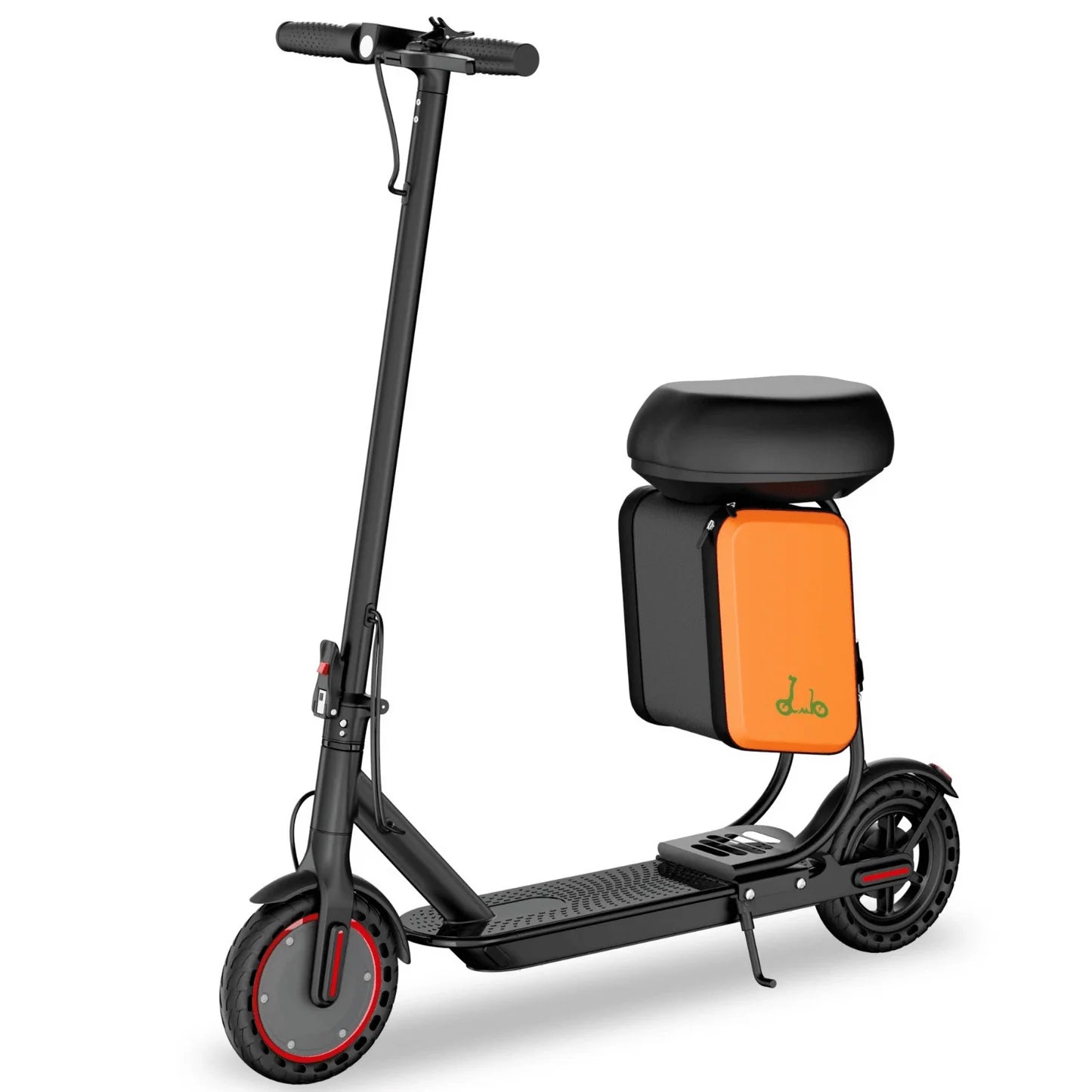
LADPED LP60XB Electric Scooter

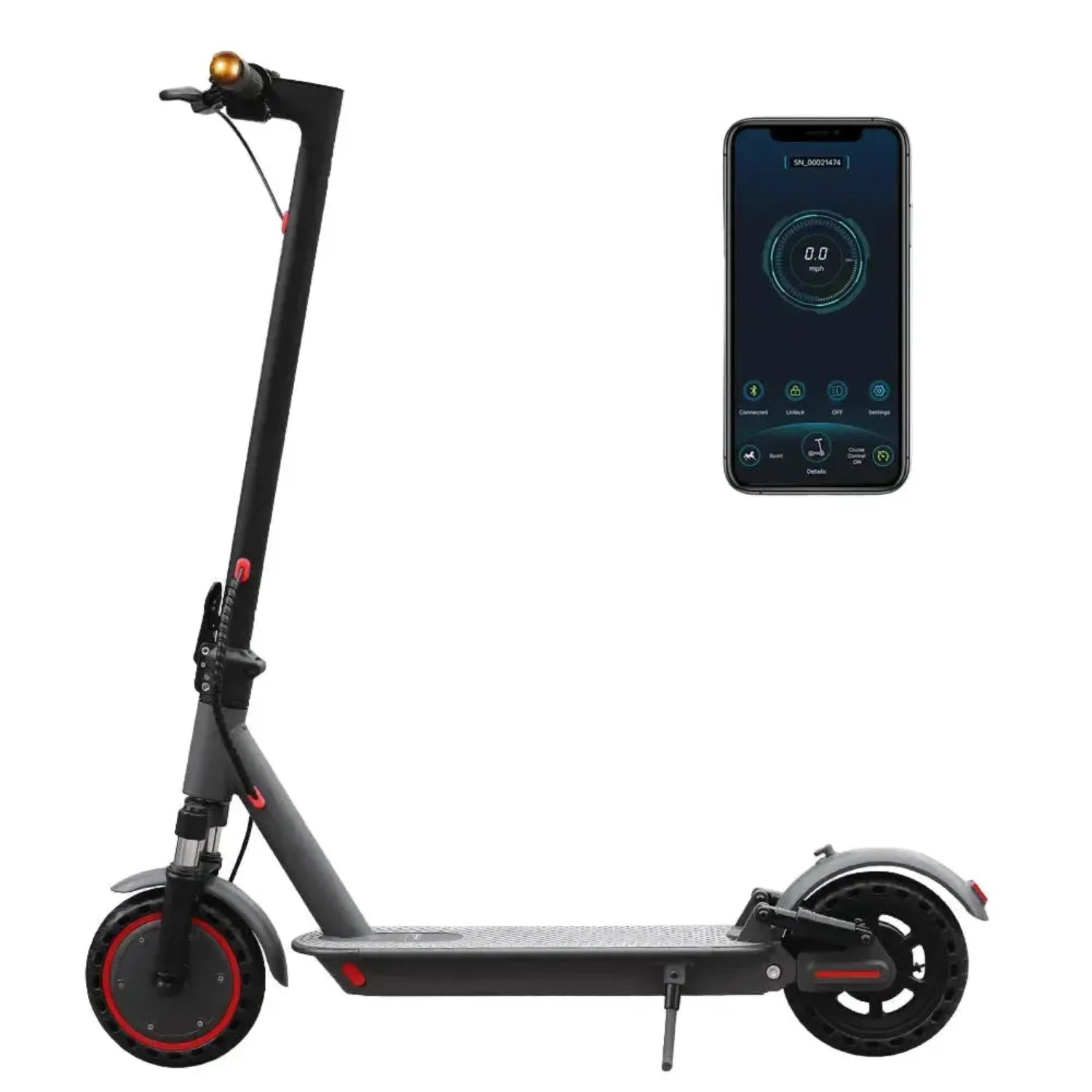


iScooter


Why Buy From Punk Ride?
Thousands of customers trust Punk Ride for reliable electric scooters and bikes at competitive prices. We only stock proven models, provide transparent reviews, and offer responsive support before and after your purchase.
No hidden surprises. No marketplace risks. Just quality rides backed by real customer feedback.
✔️ Trusted by verified buyers
✔️ Secure checkout
✔️ Fast dispatch
✔️ Dedicated support team