


Are Electric Scooters Legal in the UK? – Current Rules, Where You Can Ride & What to Know
Quick Answer
In the UK, privately owned electric scooters are not currently legal to ride on public roads, pavements, or cycle lanes in most cases. The main legal use in public is through government-approved rental e-scooter trials in specific areas, where the scooters are provided by authorised rental operators and used under local trial rules.
This page explains what that means in real life, the difference between private scooters and rental trial scooters, where people are (and aren’t) allowed to ride, and what to consider if you’re buying an electric scooter for commuting or private land use.
Private Electric Scooters vs Rental Trial Scooters
Rental e-scooters (trial scooters): These are the scooters you hire through approved operators in designated UK trial areas. Trial rules vary slightly by local authority, but in general you can ride rental e-scooters on roads (and sometimes cycle lanes) within the approved trial zone, subject to the operator’s terms and local regulations.
Privately owned e-scooters: These are the scooters you buy yourself. In most of the UK, private e-scooters are treated as “motor vehicles” under existing law, but they generally can’t be legally registered, taxed, or insured for road use in the way cars and motorcycles can. That’s why private e-scooters are not legally permitted for public road/pavement use in most cases.
Important: This topic can change as legislation develops. If you’re making a purchase decision specifically for road commuting, it’s wise to stay updated with official UK government guidance and your local council’s rules.
Where Can You Ride an Electric Scooter in the UK?
To keep it simple, think in terms of three places: public roads, cycle lanes, and pavements.
Public roads: Rental trial e-scooters can usually be used on roads within trial areas. Private e-scooters are generally not permitted on public roads.
Cycle lanes: In many trial areas, rental scooters can be used in cycle lanes where allowed. Private e-scooters are generally not permitted in public cycle lanes.
Pavements (sidewalks): Riding e-scooters on pavements is typically not allowed, including for rental scooters. Pavement riding is also one of the biggest safety concerns because it mixes scooters with pedestrians.
Private land: Private e-scooters can generally be used on private property with the landowner’s permission. This is the clearest legal use case for privately owned scooters.
Why Private E-Scooters Are Restricted
The restrictions aren’t because scooters are “bad,” but because the UK legal framework for road vehicles has historically been built around cars, motorbikes, and bicycles. Private scooters fall into a complicated gap: they have a motor (so not a standard bicycle), but they often can’t meet the requirements needed for legal road registration, tax, and insurance in the same way as other motor vehicles.
From a policy perspective, key issues include rider safety, pedestrian safety (especially on pavements), enforcement challenges, and creating consistent standards for brakes, lighting, and construction across a huge range of scooter types.
What Happens If You Ride a Private E-Scooter Publicly?
Enforcement can vary by area and circumstance, but potential consequences can include being stopped by police, fines, and in some cases the scooter being seized. Because the rules are linked to motor vehicle regulations, some situations may also involve points or penalties depending on how the law is applied.
This page is not legal advice, but the safest approach is to assume that private e-scooters are not permitted for public road/pavement use unless and until legislation changes.
If You Still Want a Scooter: Smart Buying Advice
Even with current UK restrictions, many people still buy electric scooters for private land use, large private sites, warehouses, gated communities, farms, and recreational riding where permission is clear.
If you’re buying for private land use, focus on the same things you’d focus on for commuting: ride comfort, stability, and the scooter that fits your routine.
Portable & simple: iScooter i9 or AOVO ES80
Daily rider upgrade feel: iScooter i9 Max
Premium all-rounder: iScooter i10 Pro
Comfort-first commuting style: iScooter W8
Longer-distance, more capable options: Shop all iScooter and Shop all AOVO
Key Specifications
Legal status is about where you ride, not the product specs. But if you’re choosing a scooter for permitted use (such as private land), these are the practical specs buyers should actually care about:
Range confidence: choose a scooter where your typical trip uses only part of the realistic range.
Comfort: rough surfaces reward bigger tyres and better suspension/shock absorption.
Portability: if you carry the scooter often, weight matters more than you think.
Braking feel: predictable braking response increases confidence and safety.
Build stability: a scooter that feels planted is easier to ride repeatedly.
Frequently Asked Questions
Are electric scooters legal to ride on UK roads?
In general, privately owned electric scooters are not legal to ride on public roads in most parts of the UK. The primary legal public use is through authorised rental e-scooter trials in designated areas, where rental operators provide scooters under specific rules.
Can I ride an electric scooter on the pavement in the UK?
Riding electric scooters on pavements is generally not allowed. Pavement riding is treated seriously because it increases risk to pedestrians. Even within rental trials, pavement riding is typically prohibited.
Can I ride a private electric scooter anywhere legally?
Private electric scooters can generally be used on private land with the landowner’s permission. This is the clearest legal use case for privately owned scooters in the UK under current rules.
Do I need insurance for an electric scooter in the UK?
Rental trial scooters are covered by the operator’s insurance arrangements under the trial scheme. Private scooters generally can’t be insured and registered for road use in the same way as cars or motorbikes, which is part of why public road use is restricted.
Will UK e-scooter laws change?
UK e-scooter rules have been under review and may change as legislation develops. If you’re buying specifically for public commuting, it’s smart to keep an eye on official updates from government and local authorities, since this area can change over time.
What is the best scooter to buy if I can only ride on private land?
The best scooter depends on your use. For simple portability and short trips, iScooter i9 and AOVO ES80 are great choices. For a stronger daily rider upgrade, iScooter i9 Max is a strong pick. For a premium all-rounder, iScooter i10 Pro is an excellent option.
AOVO
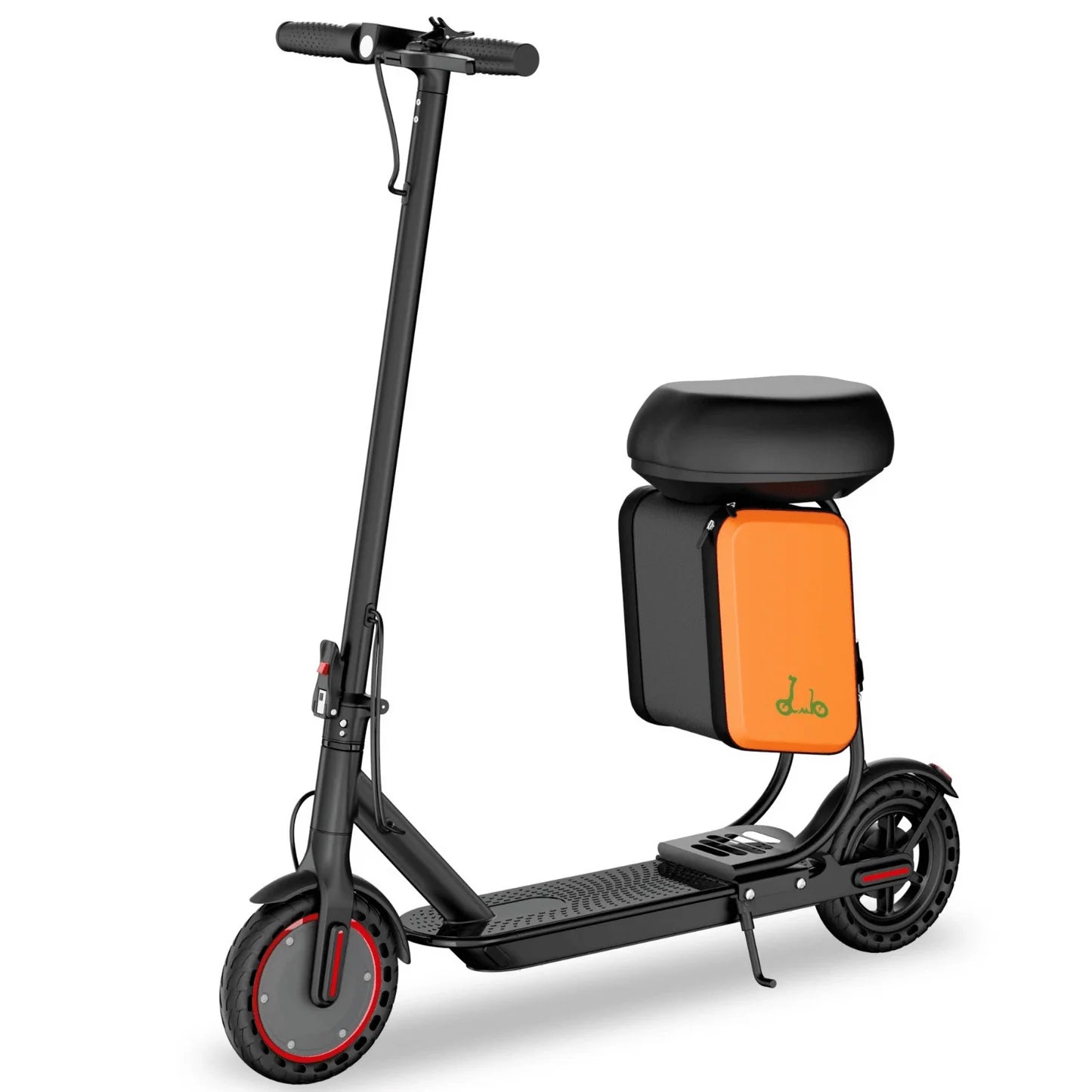
LADPED LP60XB Electric Scooter

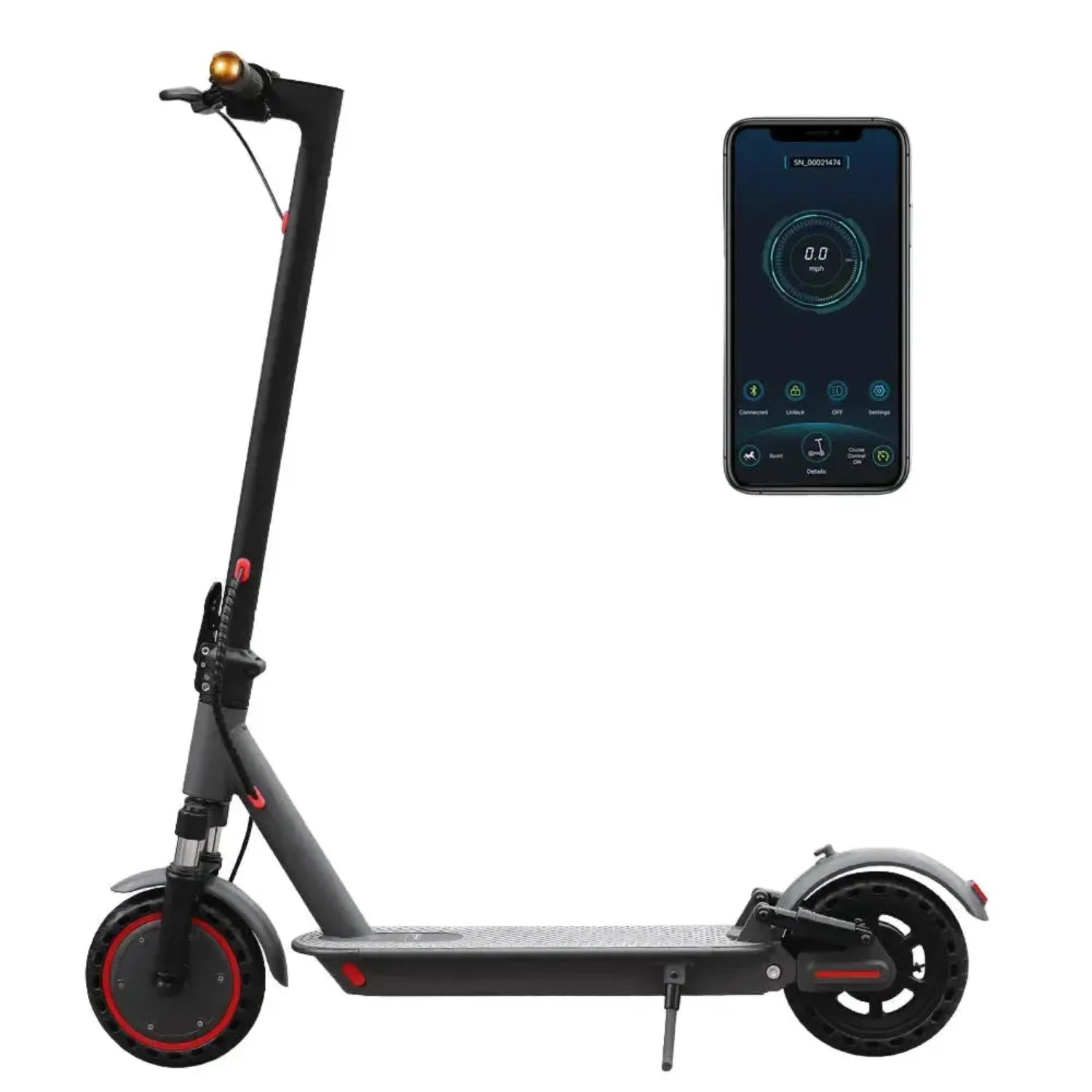


iScooter


Why Buy From Punk Ride?
Thousands of customers trust Punk Ride for reliable electric scooters and bikes at competitive prices. We only stock proven models, provide transparent reviews, and offer responsive support before and after your purchase.
No hidden surprises. No marketplace risks. Just quality rides backed by real customer feedback.
✔️ Trusted by verified buyers
✔️ Secure checkout
✔️ Fast dispatch
✔️ Dedicated support team