


How Much Does It Cost to Charge an iScooter? – Charging Cost in € Across Europe
Fast calculator: Charging cost (€) ≈ Battery (kWh) × Your electricity price (€/kWh)
Example: 0.50 kWh × €0.30/kWh ≈ €0.15 per full charge (plus a small margin for charging losses)
Overview
One of the best things about owning an electric scooter is how cheap it is to run. Across Europe—whether you’re in Germany, France, Spain, Italy, the Netherlands, Belgium, Ireland, Finland or Sweden—charging an iScooter typically costs a small amount compared to almost any other form of transport.
This guide shows you exactly how to estimate charging cost in €, gives easy example calculations, and explains what changes the cost (battery size, your electricity tariff, and charging habits).
Shop iScooter: Browse iScooter Collection
The Simple Charging Cost Formula
Step 1: Find the battery capacity in Wh (watt-hours) or kWh.
Step 2: Convert Wh → kWh: kWh = Wh ÷ 1000
Step 3: Multiply: Charging cost (€) = kWh × €/kWh
Example Charging Costs in €
Electricity prices vary by country and tariff, so the best way is to use your own €/kWh figure. But these examples help you understand the scale.
| Battery Size | kWh | Cost @ €0.25/kWh | Cost @ €0.35/kWh |
|---|---|---|---|
| 360 Wh | 0.36 | €0.09 | €0.13 |
| 500 Wh | 0.50 | €0.13 | €0.18 |
| 650 Wh | 0.65 | €0.16 | €0.23 |
| 800 Wh | 0.80 | €0.20 | €0.28 |
In real life, many riders don’t charge from empty to full every time—they top up. That often makes each charging session even cheaper.
Charging Isn’t 100% Efficient
Chargers and batteries lose a small amount of energy as heat. If you want a more realistic estimate, add a small margin (for example, 10–20%) to your calculation. Even with this margin, charging is still typically very inexpensive.
Cost Per Ride (The Number Commuters Actually Care About)
A better way to think about charging cost is “cost per commute.” You can estimate it like this:
Cost per commute (€) ≈ Charging cost (€) × (Your commute distance ÷ Realistic full-charge distance)
This is why scooters feel so cost-effective: even frequent commuting usually costs very little in electricity.
Which iScooter Models Suit Daily Commuting Best?
Charging cost is mainly about battery size and your tariff. But your overall ownership cost is also influenced by whether the scooter matches your route—because an underpowered or uncomfortable scooter gets pushed harder and used less efficiently.
Comfort commuter
If your pavements and paths are imperfect, comfort makes daily use easier.
Rugged stability
If you ride mixed surfaces, a more planted platform can feel safer and smoother.
Higher-capability options
For demanding routes and extra buffer, step up for confidence.
Motor & Battery Performance
Battery size affects charging cost, but it also affects convenience: a bigger battery can mean fewer charging sessions per week. Riders who commute frequently often prefer extra battery headroom—not because charging is expensive, but because it keeps the routine simple.
Ride Comfort / Tires / Suspension
Comfort doesn’t change electricity price, but it can change riding efficiency. A calmer ride often means smoother acceleration and less stop-start energy waste. If you ride on rough paths often, comfort-focused scooters can feel more efficient in real-world commuting.
Braking System & Safety
Safe, smooth commuting usually means fewer harsh accelerations and panic brakes—which also helps efficiency. In wet conditions, slow down earlier and keep more distance; grip is usually the limiter.
Display & Controls
Using moderate ride modes for cruising and stepping up only when needed is one of the easiest ways to improve range and reduce battery stress. This makes charging routine more predictable.
Dimensions & Weight
If you carry your scooter into an apartment or up stairs, portability matters. If you rarely carry it, comfort and range headroom may matter more. The best “value” scooter is the one you actually enjoy using consistently.
Key Specifications
To estimate charging cost quickly, you only need one spec:
Battery capacity (Wh or kWh) + your local electricity tariff (€/kWh) = your cost per full charge.
Frequently Asked Questions
How much does it cost to charge an iScooter in euros?
It depends on your electricity tariff and the battery size. Use this: battery (kWh) × electricity price (€/kWh). Many scooters cost only a small amount per full charge—often cents to a couple of euros—depending on your local rate and battery capacity. Add a small margin if you want to account for charging losses.
How do I find my electricity price per kWh?
Check your electricity bill or online account—look for the unit rate in €/kWh. If you use time-of-use tariffs, your rate may vary by time of day, which can make charging cheaper during off-peak hours.
Is it cheaper to charge often or run the battery low?
Cost-wise it’s similar because you’re replacing energy either way. For convenience and battery health, many riders prefer topping up regularly rather than repeatedly running very low, especially if they commute most days.
Which iScooter models are good for daily commuting?
For a comfort-led daily ride feel, the iScooter W8 is a strong choice. For mixed surfaces and rugged stability, choose the iScooter iX6. For more demanding routes and extra buffer, step up to iScooter iX7 Pro or iScooter iX8.
Where can I browse all iScooter scooters?
Browse the full collection here: iScooter Collection.
iScooter

ISCOOTER iX7 Pro Electric Scooter


ISCOOTER iX5S Electric Scooter
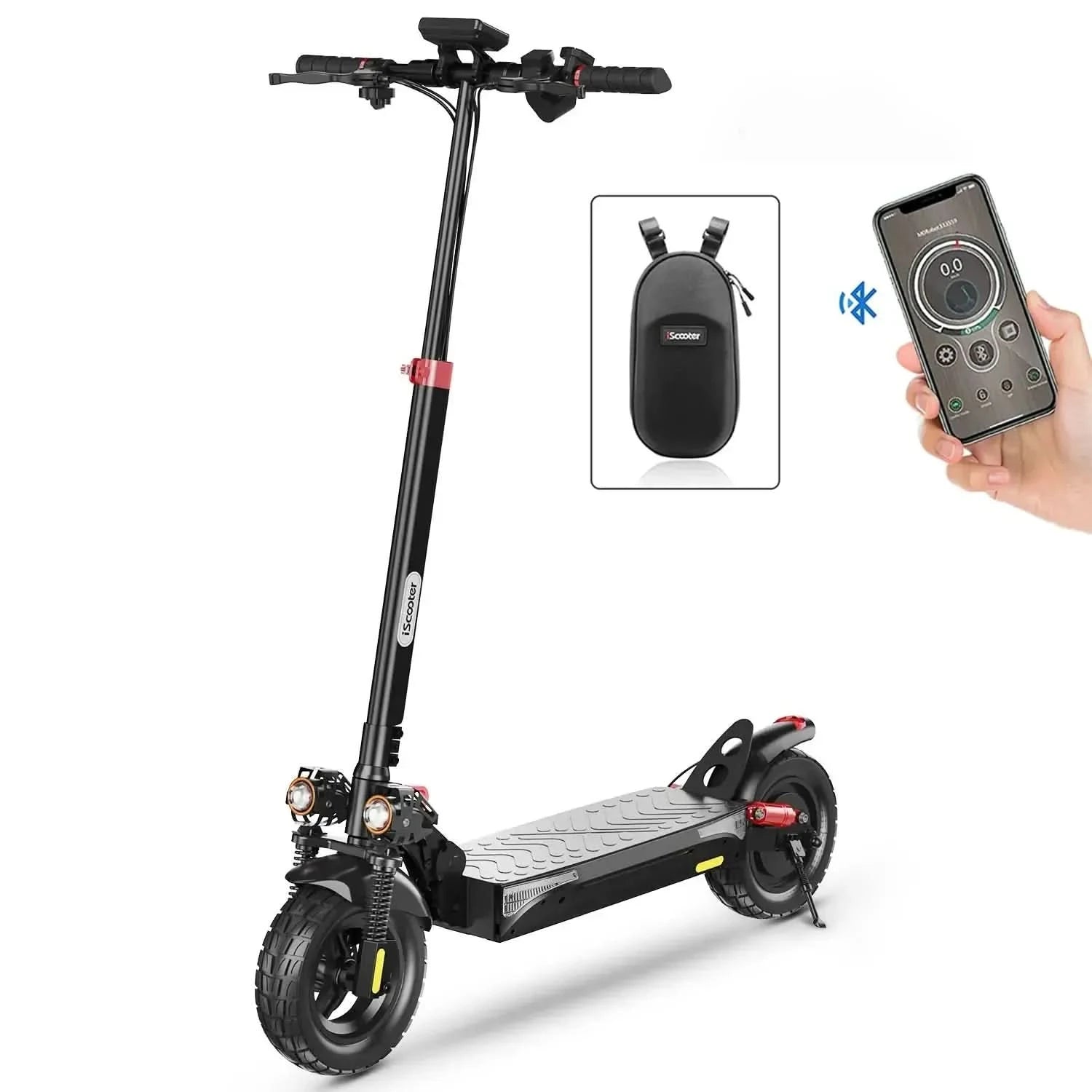


ISCOOTER K2 Pro Kids Electric Scooter


Why Buy From Punk Ride?
Thousands of customers trust Punk Ride for reliable electric scooters and bikes at competitive prices. We only stock proven models, provide transparent reviews, and offer responsive support before and after your purchase.
No hidden surprises. No marketplace risks. Just quality rides backed by real customer feedback.
✔️ Trusted by verified buyers
✔️ Secure checkout
✔️ Fast dispatch
✔️ Dedicated support team