


How Long Do Electric Scooter Batteries Last? – Lifespan, Charging Tips & UK Buyer Guide
Quick Answer
Most electric scooter batteries last roughly 2–5 years for typical riders, depending on how often you ride, how you charge, storage conditions, and how hard the scooter is pushed (hills, heavy loads, full-speed riding, frequent stop-start commuting). In “battery language,” lifespan is often measured in charge cycles rather than years. Many commuter scooters are designed to deliver hundreds of cycles before you notice a significant reduction in usable range.
This guide explains what battery lifespan really means, how to make your battery last longer, what signs your battery is aging, and how to choose a scooter that fits your routine so you get the best long-term value.
Browse scooters: Shop Electric Scooters
What “Battery Life” Actually Means
Battery life (daily): how long the scooter runs on a charge (range).
Battery lifespan (long-term): how long the battery stays healthy over months/years before range drops noticeably.
The key point: a battery doesn’t usually “die suddenly.” It typically loses capacity slowly over time, so you’ll notice range shrinking first.
Typical Battery Lifespan (Realistic Expectations)
Most electric scooters use lithium battery cells. These batteries are built for repeated charging and discharging, but like all lithium batteries, they age gradually. For most riders, a scooter battery remains very usable for a long time—especially if you avoid the habits that accelerate wear.
As a simple rule: if you ride daily and charge frequently, you’ll use up cycles faster than someone who rides occasionally. But “faster” doesn’t mean “fast.” With sensible use, many riders get years of practical commuting before battery wear becomes a real problem.
What Reduces Battery Life the Most
If you want your scooter to last, these are the habits that matter most. You don’t need to be obsessive—just avoid the biggest battery killers.
| Battery Killer | Why it’s bad | What to do instead |
|---|---|---|
| Leaving it at 0% for days | Deep discharge stresses cells | Charge as soon as convenient after low battery |
| Constant full-throttle riding | High power draw heats the pack | Ride smoothly; use high power only when needed |
| Charging in extreme cold/heat | Temperature affects lithium chemistry | Charge indoors at room-ish temperature |
| Storing fully charged for months | Long storage at 100% can age cells faster | Store around mid charge if unused for weeks |
| Under-inflated tyres (pneumatic) | More rolling resistance = more battery drain | Keep tyres in good condition and properly inflated |
The “3 Habits” That Make Batteries Last Longer
1) Don’t store it empty: If your scooter hits low battery, charge it soon. Avoid leaving it dead for long periods.
2) Charge in a sensible environment: Indoors, away from freezing cold sheds or direct heat sources.
3) Ride smoothly: Hard launches and constant max power create heat and drain the pack faster. Smooth commuting is better for battery health.
How to Tell If Your Battery Is Aging
Battery aging usually shows up in consistent patterns. If you notice one of these occasionally, it might just be weather or route conditions. If you notice them repeatedly, it may be battery wear.
Common signs of battery aging:
• Your usual route uses significantly more battery than it used to
• Range drops noticeably in normal temperatures (not just winter mornings)
• The scooter feels weaker when the battery is below mid level
• You need to charge more often to do the same commuting distance
Battery wear is normal over time. The goal is to slow it down by choosing the right scooter for your routine and using good charging habits.
Does a Bigger Battery Last Longer?
Often, yes—in a practical sense. A larger battery can last longer for the same rider routine because you typically use fewer full cycles to cover the same distance. If you buy a scooter with “range breathing room,” you’re less likely to drain the pack deeply every day, which can help long-term.
That’s why frequent commuters often feel happier with a “daily driver” model that has more capacity than strictly required. It reduces charging frequency and keeps the battery from being pushed hard every day.
Best Battery-Friendly Scooter Picks (By Routine)
These are practical picks from Punk Ride if you’re choosing based on long-term commuting ownership and battery “breathing room.”
Short trips + easy storage: iScooter i9 or AOVO ES80
Frequent commuting upgrade: iScooter i9 Max
Premium daily driver with range confidence: iScooter i10 Pro
Comfort commuter (rough pavements): iScooter W8
AOVO daily driver upgrade: AOVO PRO ESMAX
Motor & Battery Performance
Battery lifespan and performance are linked. If a scooter is underpowered for your route (steep hills, heavier rider, long distance), it can feel like the battery “isn’t good” when the real issue is that the scooter is being pushed hard constantly. Choosing a scooter that suits your commute makes the battery’s life easier, improves real-world range, and often improves long-term durability.
Ride Comfort / Tires / Suspension
Comfort doesn’t just make riding nicer—it often makes ownership more consistent. Riders who enjoy their commute use the scooter more regularly and tend to build better charging routines. Also, tyre condition affects battery drain: if tyres are in poor condition (or under-inflated when pneumatic), rolling resistance increases and you chew through battery faster.
Braking System & Safety
From a battery perspective, smooth braking and smooth acceleration help. Harsh stop-start riding uses more energy. For safety and battery efficiency, ride in a predictable, commuter-style flow: steady pace, gentle acceleration, and leaving space to brake smoothly.
Display & Controls
If your scooter offers modes, using lower modes for routine commuting can reduce battery stress and increase realistic range. Many riders don’t need maximum output for the whole ride—using higher power only when required (hills, quick merges) is often the best balance.
Dimensions & Weight
Heavier scooters often have bigger batteries and more stability, which can be great for long-term commuting. But if you carry the scooter often, a lighter model may be the only practical choice. The smartest long-term buy is the lightest scooter that still gives you enough range breathing room for your routine.
Key Specifications
If you’re buying with battery longevity in mind, these are the specs that matter most:
Battery capacity headroom: more buffer = less daily stress.
Motor suitability: underpowered scooters work harder, especially on hills.
Tyres and rolling resistance: tyre condition affects battery drain.
Charging time and routine fit: pick a model that fits your lifestyle.
Frequently Asked Questions
How long do electric scooter batteries last in years?
For many riders, electric scooter batteries stay useful for around 2–5 years, depending on how often you ride, how you charge, storage conditions, and route difficulty. Batteries normally lose capacity gradually, so you’ll notice a reduction in range over time rather than sudden failure.
How can I make my scooter battery last longer?
The biggest wins are simple: avoid leaving the battery at 0% for long periods, charge indoors at sensible temperatures, ride smoothly (avoid constant full-throttle), and if storing for weeks, keep the battery at a mid level rather than fully charged or empty. Also keep tyres in good condition to reduce battery drain.
Is it bad to charge an electric scooter overnight?
For most commuters, overnight charging is the normal routine and is generally the easiest way to keep your scooter ready. The smarter focus is charging in a safe environment and avoiding leaving the battery empty for long periods. If you want to be extra cautious, you can unplug once fully charged, but most riders simply charge overnight and ride daily without issues.
Why does my scooter battery die faster in winter?
Cold temperatures reduce the usable energy a lithium battery can deliver. That’s why winter commuting often produces less range than summer commuting. Charging indoors and storing the scooter in a warmer space can help improve real-world winter performance.
Which scooters are good for long-term commuting battery value?
For daily commuting with good long-term value, choose a model with range breathing room so you’re not draining the pack hard every day. Popular picks include iScooter i9 Max as a commuter upgrade and iScooter i10 Pro as a premium daily driver. For AOVO riders, AOVO PRO ESMAX is a strong daily rider upgrade.
Where can I shop scooters and compare models?
Browse all scooters here: Electric Scooters. Or shop by brand: iScooter and AOVO.
AOVO

LADPED LP10 Foldable Electric Scooter
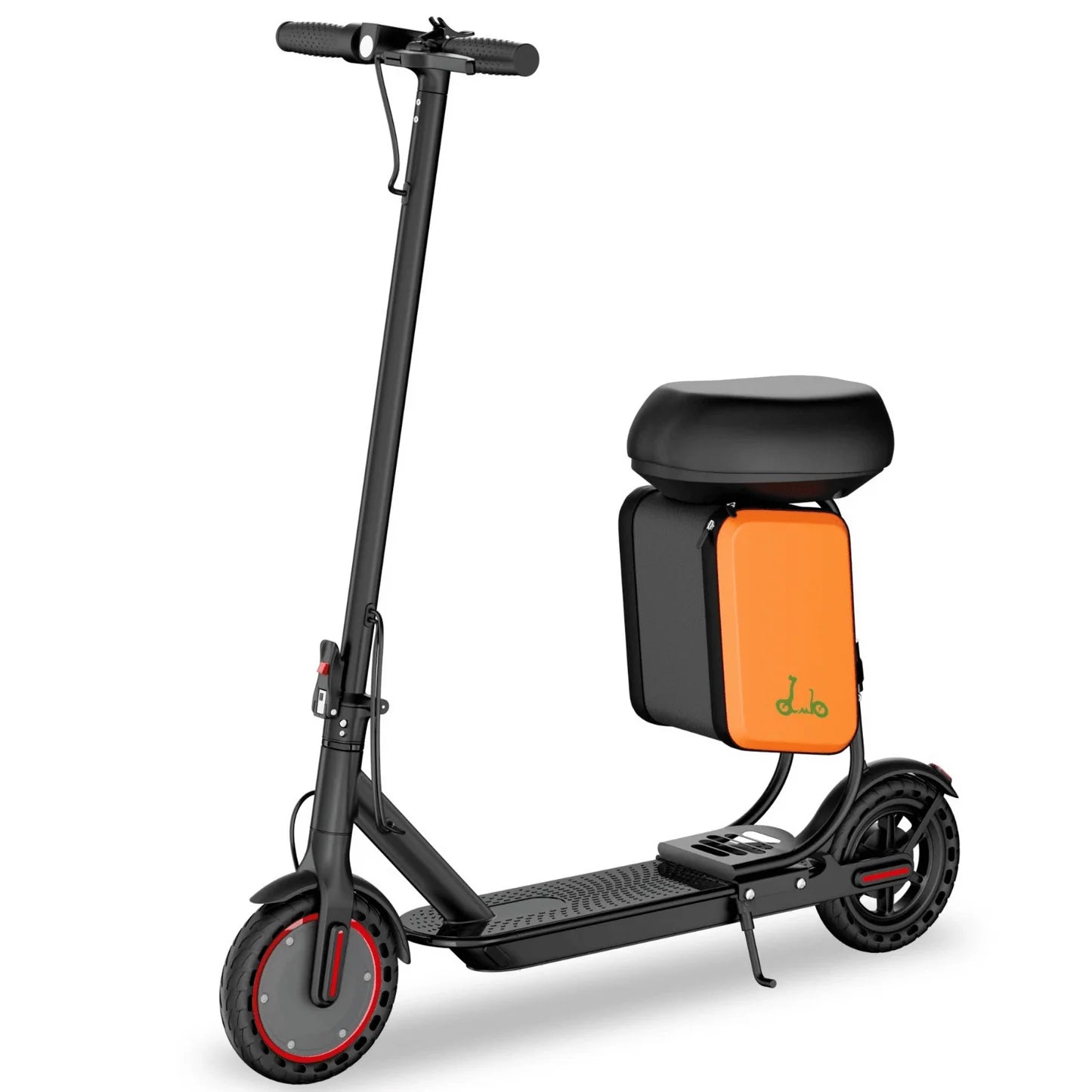
LADPED LP60XB Electric Scooter


AOVOPRO AP20 / QLAWAY Electric Bike
iScooter

ISCOOTER iX7 Pro Electric Scooter


ISCOOTER iX5S Electric Scooter
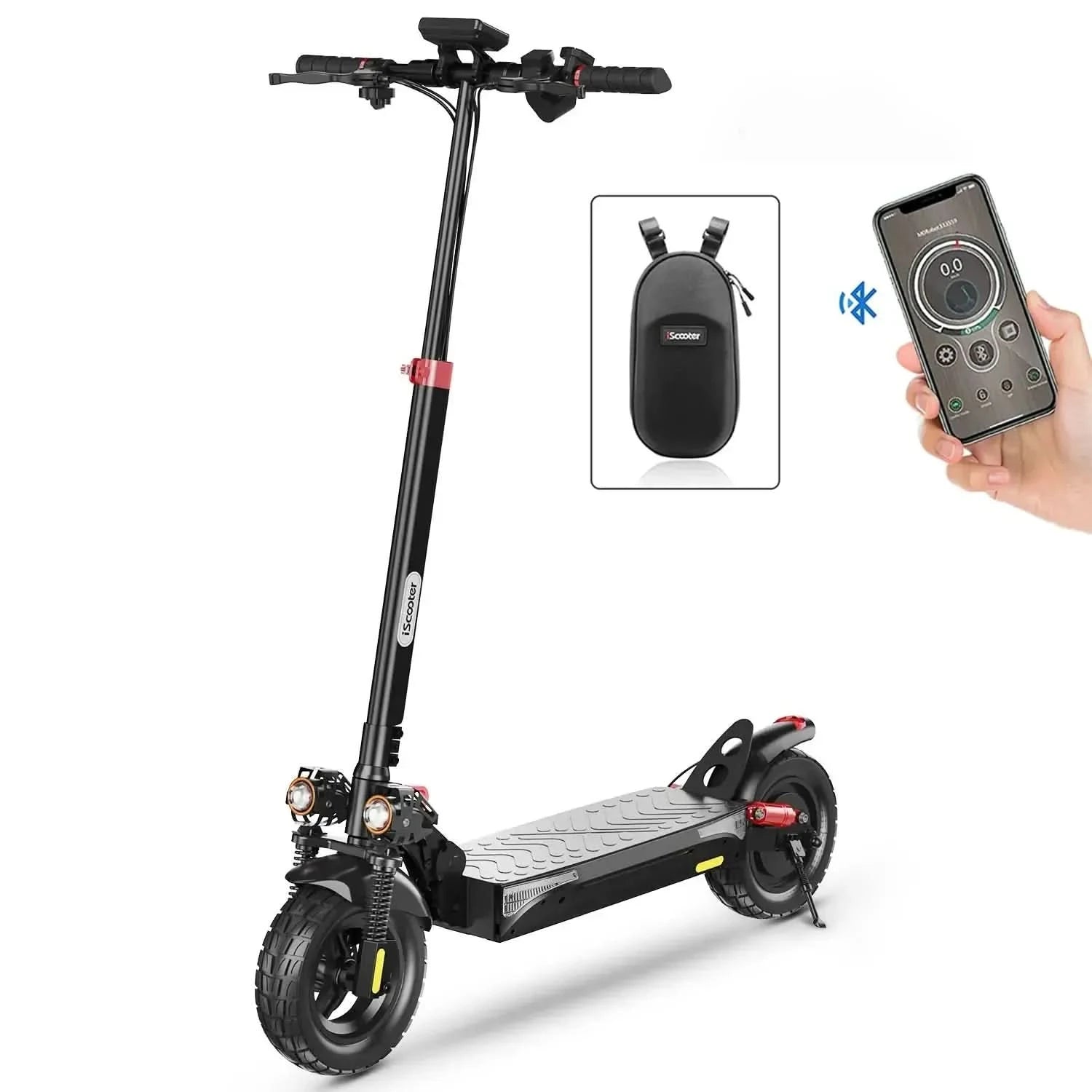


ISCOOTER K2 Pro Kids Electric Scooter


Why Buy From Punk Ride?
Thousands of customers trust Punk Ride for reliable electric scooters and bikes at competitive prices. We only stock proven models, provide transparent reviews, and offer responsive support before and after your purchase.
No hidden surprises. No marketplace risks. Just quality rides backed by real customer feedback.
✔️ Trusted by verified buyers
✔️ Secure checkout
✔️ Fast dispatch
✔️ Dedicated support team