


Electric Scooter Maintenance Guide – Keep Your Scooter Safe, Smooth & Long-Lasting
Overview
Electric scooters are low-maintenance compared to cars, but they’re not “no maintenance.” If you want your scooter to stay safe, stable, and enjoyable for months and years, you need a simple routine—nothing complicated, just a few consistent checks that prevent the most common issues: squeaks, wobble, weak braking, reduced range, punctures (where applicable), and premature battery wear.
This guide gives you a clear maintenance schedule (weekly, monthly, and seasonal), explains what to check, and shows what matters most for commuting reliability. If you’re shopping for a scooter that fits commuter life, start here: Shop Electric Scooters
The “Do This and You’ll Avoid 90% of Problems” Checklist
1) Check tyres (or tyre condition): rolling resistance and grip affect safety, range, and braking feel.
2) Check brakes: you want predictable, consistent braking—not “it’ll probably stop.”
3) Check bolts and folding joint: commuting vibration can loosen fasteners over time.
4) Protect the charging port: moisture around the port is one of the easiest ways to cause problems.
5) Store indoors: dry, stable temperatures = better battery health and less corrosion risk.
Weekly Maintenance (5 Minutes)
This is the “keep it safe” routine. Do it once a week if you ride often, or every few rides if you ride occasionally.
| Check | What to look for | Why it matters |
|---|---|---|
| Tyres | Wear, damage, low pressure (if pneumatic) | Grip + braking stability + range |
| Brakes | Squeal, weak bite, rubbing, spongy feel | Stopping distance and control |
| Folding joint | Any play or wobble | Stability and safety |
| Lights | Headlight/rear light working | Visibility for commuters |
| Deck & frame | Cracks, unusual noises, loose parts | Catches issues early |
Monthly Maintenance (10–15 Minutes)
This is the “keep it feeling new” routine. It stops commuter wear from becoming annoying long-term.
Check key bolts: handlebar clamp, folding mechanism, wheel hardware, brake mounts (if accessible). Tighten only to safe firmness—don’t overtighten.
Clean the scooter properly: wipe down with a damp cloth, then dry. Avoid hosing or pressure washing.
Inspect the charging port cover: a loose or cracked cover is a common cause of water-related issues.
Brake check: ensure the brake lever feels consistent and braking is predictable. If braking feels weaker than normal, address it immediately.
Battery Care (What Actually Extends Lifespan)
Battery health is mostly about avoiding two extremes: leaving the battery empty for long periods, and exposing it to harsh temperatures. You don’t need to be obsessive—you just need good habits.
Don’t store it at 0%: if it’s low, charge it soon.
Charge indoors: stable temperatures help battery health and performance.
Let it dry before charging: never charge if the charging port area is wet.
Use range “breathing room”: buying a scooter with enough range means you’re not draining it hard every day.
Tyre Care: Pneumatic vs Solid/Honeycomb
Pneumatic tyres (air-filled): check pressure regularly. Under-inflated tyres reduce range, reduce grip, and can make braking feel worse. Pneumatic comfort is great—tyre pressure is the trade-off.
Solid/honeycomb tyres: less puncture stress, but you still need to check for damage and wear. A worn tyre reduces grip and can increase stopping distance.
If you’re deciding between tyre types, read this guide: Browse scooters by commuting style (and choose based on your roads and maintenance preference).
Brakes: The Most Important Safety Maintenance
Brakes don’t just “wear out.” They gradually become less effective, which means you can adapt without noticing—until you need emergency stopping. That’s why brake checks matter.
Common brake symptoms and what they mean:
Squealing: often dirt, alignment, or pad wear. Clean and inspect.
Rubbing: disc alignment or wheel alignment issue (where applicable).
Weak braking: pads may be worn or brake needs adjustment.
Spongy feel: braking system may need attention—don’t ignore it.
Cleaning Your Scooter (Without Damaging It)
The biggest cleaning mistake is treating a scooter like a bike you can hose down. Scooters are electronics. Most are water-resistant, not waterproof.
Do: wipe with a damp cloth, then dry. Clean around folding joint and underside gently.
Don’t: pressure wash, hose down, soak, or spray water into the deck seam or around the charging port.
After wet rides: wipe down and let it dry indoors before charging.
When to Stop Riding and Check Immediately
These are “don’t ignore” signs. If you feel them, stop and inspect before your next ride.
| Warning Sign | Why it’s serious | What to do |
|---|---|---|
| Wobble in handlebar/folding joint | Stability risk | Check bolts/hinge tension |
| Sudden braking weakness | Longer stopping distance | Inspect and adjust brakes |
| Unusual grinding noises | Potential mechanical wear | Check wheels, brakes, bearings |
| Charging port moisture | Electrical damage risk | Dry fully before charging |
Recommended Commuter Scooters (Easy Ownership Picks)
If you want simple, reliable ownership, choosing the right model for your route helps more than any “maintenance hacks.” These are strong commuter picks from Punk Ride:
Best lightweight commuter simplicity: iScooter i9
Best commuter upgrade value: iScooter i9 Max
Premium daily driver feel: iScooter i10 Pro
Best value AOVO commuter: AOVO ES80
Best AOVO commuter upgrade: AOVO PRO ESMAX
Comfort commuter option: iScooter W8
Key Specifications
Maintenance isn’t a spec sheet, but these features make a scooter easier to own long-term:
Stable folding mechanism: less wobble and fewer annoying adjustments.
Tyre type that matches your route: comfort vs puncture worry.
Braking system you can trust: predictable braking feel.
Range headroom: less battery stress and fewer charge cycles.
Good build stability: calmer ride feel = fewer “loose” sensations over time.
Frequently Asked Questions
How often should I maintain my electric scooter?
If you ride frequently, do a quick weekly check (tyres, brakes, folding joint, lights) and a deeper monthly check (bolts, cleaning, brake adjustment). If you ride occasionally, do checks every few rides and always check after wet rides.
What is the most important maintenance for safety?
Brakes and folding joint stability. Brakes determine stopping distance, and the folding joint/handlebar stability determines control. Tyres also matter because they affect grip and braking stability.
Can I wash my electric scooter with water?
It’s safer to wipe the scooter with a damp cloth and then dry it. Avoid hoses and pressure washing. Scooters are usually water-resistant, not waterproof, and forced water can penetrate seals and damage electronics.
Why does my scooter feel wobbly?
Most wobble comes from the folding mechanism, handlebar clamp, or loosened bolts from commuting vibration. A quick monthly check and sensible tightening usually solves it. If the wobble is severe, stop riding until it’s fixed.
How do I extend battery life?
Don’t store it at 0%, charge indoors, let it dry before charging, and ride smoothly when possible. Also choose a scooter with enough range headroom so you’re not draining it hard every day.
Where can I shop reliable commuter scooters on Punk Ride?
Browse the full collection here: Electric Scooters. Popular commuter picks include iScooter i9 Max, iScooter i10 Pro, AOVO PRO ESMAX, and AOVO ES80.
AOVO

LADPED LP10 Foldable Electric Scooter
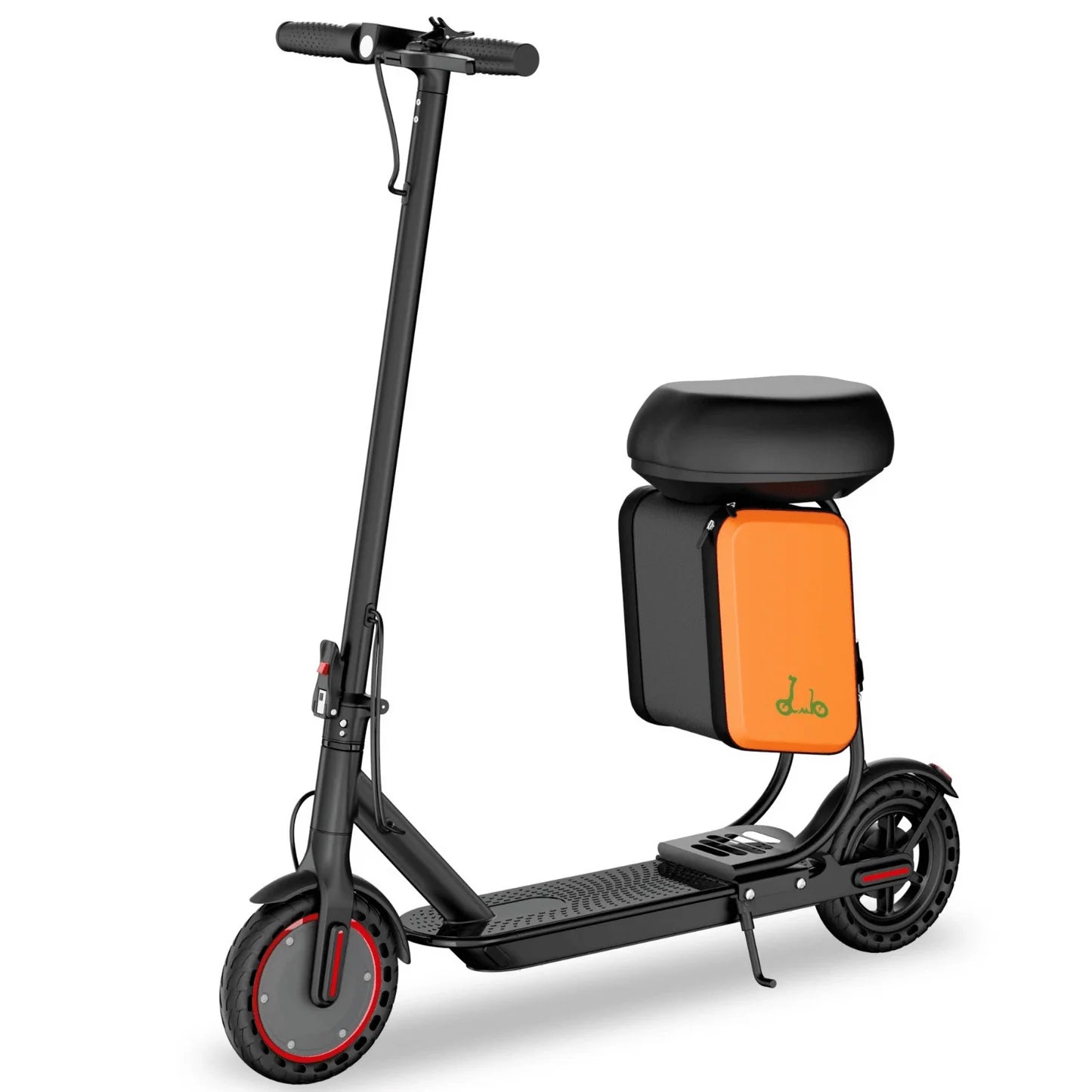
LADPED LP60XB Electric Scooter


AOVOPRO AP20 / QLAWAY Electric Bike
iScooter

ISCOOTER iX7 Pro Electric Scooter


ISCOOTER iX5S Electric Scooter
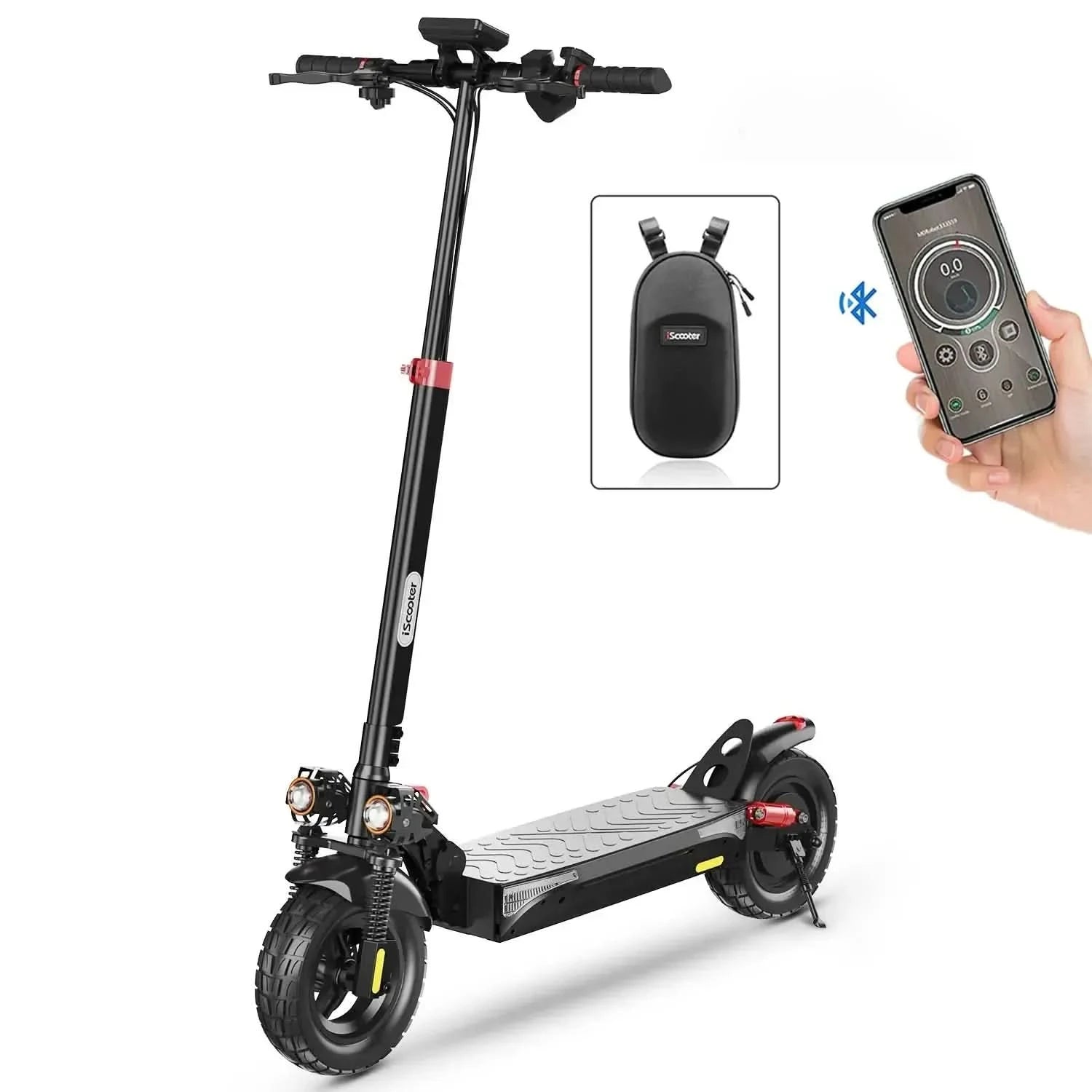


ISCOOTER K2 Pro Kids Electric Scooter


Why Buy From Punk Ride?
Thousands of customers trust Punk Ride for reliable electric scooters and bikes at competitive prices. We only stock proven models, provide transparent reviews, and offer responsive support before and after your purchase.
No hidden surprises. No marketplace risks. Just quality rides backed by real customer feedback.
✔️ Trusted by verified buyers
✔️ Secure checkout
✔️ Fast dispatch
✔️ Dedicated support team