


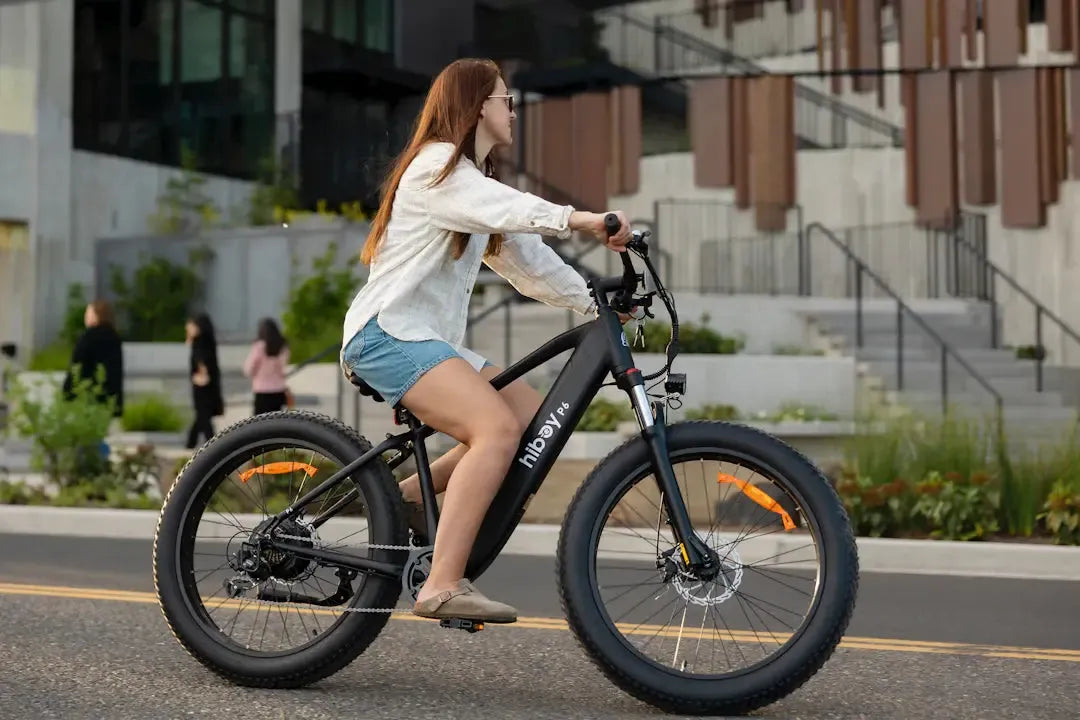
Overview
Understanding local laws and regulations for electric biking, such as with the HIDOES C1 Electric Bike, is crucial for a safe and enjoyable experience. Key points include bike classification, registration requirements, helmet laws, usage restrictions, and safety regulations. Staying informed about changes and engaging with the community can enhance your riding experience and promote responsible use.
Table of Contents
- Understanding Electric Bike Classification
- Common Local Regulations to Check
- Registration Requirements
- Helmet Laws
- Where Electric Bikes Can Be Used
- Safety Regulations
- Lighting and Visibility
- Noise Regulations
- The Impact of Local Laws on Electric Bike Adoption
- Staying Informed About Changes in Legislation
- Encouraging Responsible Electric Bike Use
- Respect Other Road Users
- Follow Traffic Laws
- Building Community Through Electric Biking
- Final Thoughts
Key Takeaways
- Understand Electric Bike Classifications: Familiarise yourself with Class 1, Class 2, and Class 3 electric bike classifications, as they determine legality and usage regulations.
- Check Local Registration Requirements: Some regions may require registration for electric bikes, especially those exceeding certain speeds or power outputs.
- Adhere to Helmet Laws: Many areas mandate helmet use, particularly for younger riders and Class 3 bikes; wearing a helmet is always advisable for safety.
- Know Riding Restrictions: Be aware of where electric bikes can be ridden, including restrictions on sidewalks, certain bike paths, and public parks.
- Follow Safety Regulations: Ensure your electric bike is equipped with proper lighting and visibility gear, and be mindful of noise regulations if modifying your bike.
- Stay Informed on Legal Changes: Regularly check local news, government websites, and join cycling groups to keep updated on changes in electric biking laws.
- Promote Responsible Riding: Respect other road users, follow traffic laws, and engage with the community to foster a positive electric biking culture.
Frequently Asked Questions
1. What are the different classifications of electric bikes?
2. Do I need to register my electric bike?
3. Are there helmet laws for riding electric bikes?
4. Where can I ride my electric bike?
5. How can I stay informed about local electric biking laws?
As the popularity of electric bikes, such as the HIDOES C1 Electric Bike, continues to surge, so does the need to understand local laws and regulations that govern their use. Riding an electric bike can be a fun and eco-friendly way to travel, but staying informed about the legal framework is essential for a safe and hassle-free experience. In this article, we will explore various aspects of local laws and regulations regarding electric biking, ensuring you can ride the HIDOES C1 Electric Bike with full confidence.
Understanding Electric Bike Classification
Before diving into local laws, it is vital to comprehend how electric bikes are categorized. Different regions classify electric bikes differently, which influences their legality and usage regulations. Generally, electric bikes fall into one of three categories:
- Class 1: These bikes are equipped with a motor that assists the rider only when pedalling. The assistance stops once the bike reaches 20 mph (32 km/h).
- Class 2: These bikes come with a throttle that can propel the bike without pedalling, also capped at 20 mph.
- Class 3: These bikes assist riders while pedalling up to a maximum speed of 28 mph (45 km/h) and may have additional regulations.
Understanding these classifications is crucial when riding your HIDOES C1 Electric Bike, as certain regions may impose specific restrictions based on the type of electric bike you own.
Common Local Regulations to Check
Electric biking laws can vary significantly from one location to another. While we’ll cover some common regulations below, it’s best to check with local authorities or municipalities to get precise information for your area.
Registration Requirements
Some areas may require electric bikes to be registered, especially if they exceed certain speeds or power outputs. Registration processes can vary; therefore, it is essential to be proactive and ensure your HIDOES C1 Electric Bike complies with any local registration needs.
Helmet Laws
Another critical aspect to consider is the usage of helmets while riding an electric bike. Many regions have mandated helmet laws, particularly for younger riders or Class 3 electric bikes. It’s always a good idea to wear a helmet for safety, regardless of legal requirements.
Where Electric Bikes Can Be Used
Different regions may have specific laws dictating where electric bikes can be ridden. Some common restrictions include:
- No riding on sidewalks
- Limited access to certain bike paths
- Restrictions in public parks
Knowing these restrictions can prevent legal issues and enhance your riding experience on the HIDOES C1 Electric Bike.
Safety Regulations
Safety regulations often overlap with the general laws governing electric biking. These rules ensure not only your safety but also the safety of other road users. Here are a few points to consider:
Lighting and Visibility
In low-light conditions, many areas require electric bikes to be equipped with proper lighting. This includes a white front light and a red rear light. Visibility is vital, so wearing reflective clothing has become a best practice for electric bikers.
Noise Regulations
While electric bikes are generally quiet, some regions have noise regulations that apply to devices or enhancements on your bike. If you plan to modify your HIDOES C1 Electric Bike, ensure that any alterations remain within the sound-level limits set by local laws.
The Impact of Local Laws on Electric Bike Adoption
The evolving landscape of local laws often influences public perception and adoption rates of electric bikes. Regions that embrace electric biking regulations tend to promote a more cycling-friendly community. Here are some ways local laws shape electric biking adoption:
| Factor | Positive Impact | Negative Impact |
|---|---|---|
| Accessibility | Increased ridership and competition | Limited access to certain areas |
| Safety | Improved rider confidence | Overly stringent laws may discourage use |
| Infrastructure | Investment in bike lanes | Neglect of upkeep may lead to unsafe conditions |
Understanding these factors can help you appreciate the nuances of electric bike use in your area. Becoming more informed means more enjoyable outings on your HIDOES C1 Electric Bike.
Staying Informed About Changes in Legislation
Local laws and regulations regarding electric biking are not static; they can change over time. Keeping informed about developments in your region's electric biking laws is crucial for every rider. Here are some strategies for staying on top of these changes:
- Join Local Cycling Groups: Many communities have cycling clubs that provide updates on biking laws and regulations.
- Follow Local News Outlets: Local news channels often cover legislative changes impacting cyclists.
- Government Websites: Regularly check municipal or regional government websites for updates on electric biking laws.
Staying informed ensures that you can make the most of your cycling experiences without running afoul of the law.
Encouraging Responsible Electric Bike Use
As electric bikes gain popularity, it is essential for riders to exhibit responsible usage. Not only does this benefit you as a rider, but it also sets a positive example for others in the community.
Respect Other Road Users
Whether you are riding the HIDOES C1 Electric Bike on a bike path, shared road, or sidewalk, always respect the presence of pedestrians and other cyclists. Yield the right of way where necessary and signal your intentions clearly.
Follow Traffic Laws
Electric bike riders are subject to the same traffic laws as traditional cyclists. This includes obeying traffic signals, stopping at red lights, and using designated bike lanes. Following these regulations not only keeps you safe but also fosters a respectful relationship with road users.
Building Community Through Electric Biking
Electric biking can foster a sense of community among enthusiasts. By connecting with others who share your passion, you can collectively promote information about local laws and advocate for better biking infrastructure. Consider the following methods to build your electric biking network:
- Organise Group Rides: Collaborating with fellow electric bike enthusiasts for group rides leads to camaraderie and shared learning experiences.
- Host Informational Workshops: Educating each other about local laws can empower riders and make the community stronger.
- Engage on Social Media: Online platforms can serve as excellent resources for sharing information and connecting with other electric bike riders.
Final Thoughts
Understanding your local laws and regulations regarding electric biking is key to enjoying your rides, especially with a fantastic model like the HIDOES C1 Electric Bike. By staying informed, being responsible, and interacting positively with your community, you can elevate your riding experience and help enhance the overall perception of electric biking in your area. Remember, knowledge is power, and the more knowledgeable you are about electric biking laws, the more empowered you’ll be in your cycling adventures!
Glossary
| Term | Meaning |
|---|---|
| Electric Bike | A bicycle equipped with an electric motor to assist with pedalling. |
| Class 1 | An electric bike that assists while pedalling up to 20 mph. |
| Class 2 | An electric bike with a throttle that can reach 20 mph without pedalling. |
| Class 3 | An electric bike that assists pedalling up to 28 mph, often with additional rules. |
| Registration Requirements | Local laws that may require electric bikes to be officially registered. |
| Helmet Laws | Regulations requiring the use of helmets while riding electric bikes. |
| Lighting Regulations | Rules mandating proper lighting on electric bikes for visibility. |
| Noise Regulations | Local laws governing the sound levels of electric bike modifications. |
| Traffic Laws | Rules that apply to all cyclists, including electric bike riders. |
| Cycling Groups | Community organisations that provide updates on biking laws and support. |
Linked Product

HIDOES C1 Electric Bike
The HIDOES C1 Electric Bike combines a compact, foldable design with a powerful battery, making it an ideal choice for commuting and casual rides. Its durable construction, featuring pneumatic tires and a front suspension fork, enhances comfort and stability on various terrains. With a reliable range and user-friendly features, this bike effectively meets the needs of urban cyclists and casual adventurers alike.
View Product
Share:
Your Guide to the Electric Scooter for Transportation
Your Guide to the Top Electric Bike Companies of 2026