


iScooter Maintenance Guide – Simple Weekly Checks for Long-Lasting Riding Across Europe
The 5-minute routine: tyres → brakes → folding joint → bolts → lights
Best habit: small checks weekly prevent 90% of “sudden” problems later
Overview
Electric scooters are low-maintenance, but they’re not “no maintenance.” Over time, vibration, wet roads, dust, and daily commuting can create small issues: squeaks, wobble, weaker braking, reduced range, or loose parts. The good news is that iScooter maintenance is mostly quick and simple—especially if you do small checks regularly instead of waiting for something to feel wrong.
This guide gives you a commuter-friendly routine for iScooter scooters, whether you ride in big cities, coastal towns, or mixed-surface cycle paths. It’s designed to keep your scooter safe, smooth, and reliable.
Shop iScooter: Browse iScooter Collection
Weekly Maintenance (5 Minutes)
1) Tyres
Check condition, wear, and grip. If your model uses pneumatic tyres, keep them properly inflated because under-inflation reduces range and grip.
2) Brakes
Test braking feel before you set off. If braking feels weaker, rubs, or squeals, fix early—small adjustments are easier than worn parts later.
3) Folding joint & handlebar play
Any wobble is a safety issue. If you feel movement at the stem/folding point, tighten or service before continuing regular riding.
4) Key bolts
A quick check for loosened bolts (especially around stem/handlebars and any visible mounting points) prevents long-term wobble.
5) Lights & visibility
Make sure lights work consistently. Commuters benefit massively from being seen early, especially in darker months.
Monthly Maintenance (10–15 Minutes)
Deep clean (no pressure washing): wipe down with a damp cloth, then dry. Avoid spraying water into seams, ports, or around electronics.
Check for unusual noises: squeaks and rubbing often indicate small alignment issues or dirt buildup.
Inspect the charging port area: keep it clean and dry; ensure any port cover (if present) is intact.
Brake inspection: check for rubbing, weaker bite, or unusual lever feel. Fix early to keep braking predictable.
Battery Care That Extends Lifespan
Most battery “problems” are actually habit problems. The simplest battery routine produces the most reliable long-term ownership.
Don’t store at 0%: if the battery is low, charge soon. Leaving it empty for long periods is one of the worst habits.
Charge in a sensible environment: stable indoor temperatures improve reliability and performance.
Let it dry before charging: after wet rides, wipe down and allow the scooter to dry—especially around the charging area.
Wet-Weather Cleaning (Do This, Not That)
Wet roads add grime, and grime causes wear. But cleaning incorrectly can also cause issues.
| Do | Avoid | Why |
|---|---|---|
| Wipe with damp cloth then dry | Hose or pressure wash | Forced water can penetrate seals |
| Clean around folding joint gently | Spray water into seams | Seams lead toward electronics |
| Dry before charging | Charge when wet | Moisture near ports increases risk |
Common Problems and Quick Diagnosis
Most issues have simple causes. Here are the most common patterns.
Wobble in handlebars/stem: usually folding mechanism tension or loosened bolts. Fix immediately.
Brakes rubbing: alignment issue or dirt; solve early before it becomes wear.
Range suddenly lower: cold weather, low tyre pressure, heavier load, more hills, or battery aging. Check tyres first.
Strange noises: often dirt buildup or a small loose part. Don’t ignore new noises—inspect early.
Which iScooter Models Suit Daily Commuting Best?
Choosing the right model reduces wear because the scooter isn’t being pushed to its limit every day. These are popular daily-use picks:
Comfort commuter: iScooter W8
Rugged mixed-surface stability: iScooter iX6
Higher-capability daily confidence: iScooter iX7 Pro
Top-tier buffer for longer rides: iScooter iX8
Key Specifications
Maintenance is easier when you focus on the real “specs” that affect long-term ownership:
Tyre type & condition
Grip + range + comfort all depend on it.
Folding joint stability
The biggest safety-related maintenance point.
Brake predictability
Fix early; don’t adapt to weaker braking.
Charging routine
Indoor charging and avoiding deep discharge improves longevity.
Frequently Asked Questions
How often should I maintain my iScooter?
If you ride frequently, do a quick weekly check (tyres, brakes, folding joint, bolts, lights) and a deeper monthly check (cleaning, port inspection, brake alignment). If you ride occasionally, do checks every few rides and always after wet conditions.
What is the most important iScooter maintenance for safety?
Folding joint/stem stability and braking performance. Any wobble or looseness should be addressed immediately. Brakes should feel predictable and consistent—don’t get used to weaker braking.
Can I wash my iScooter with water?
It’s safer to wipe it down with a damp cloth and then dry it. Avoid hosing and pressure washing because forced water can penetrate seals. After wet rides, dry the scooter before charging.
Why is my iScooter range getting worse?
Common causes include colder temperatures, low tyre pressure (if pneumatic), heavier load, more hills, and battery aging. Start by checking tyre condition and your riding mode—those are the easiest fixes.
Where can I browse iScooter models?
Browse the full collection here: iScooter Collection.
iScooter

ISCOOTER iX7 Pro Electric Scooter


ISCOOTER iX5S Electric Scooter
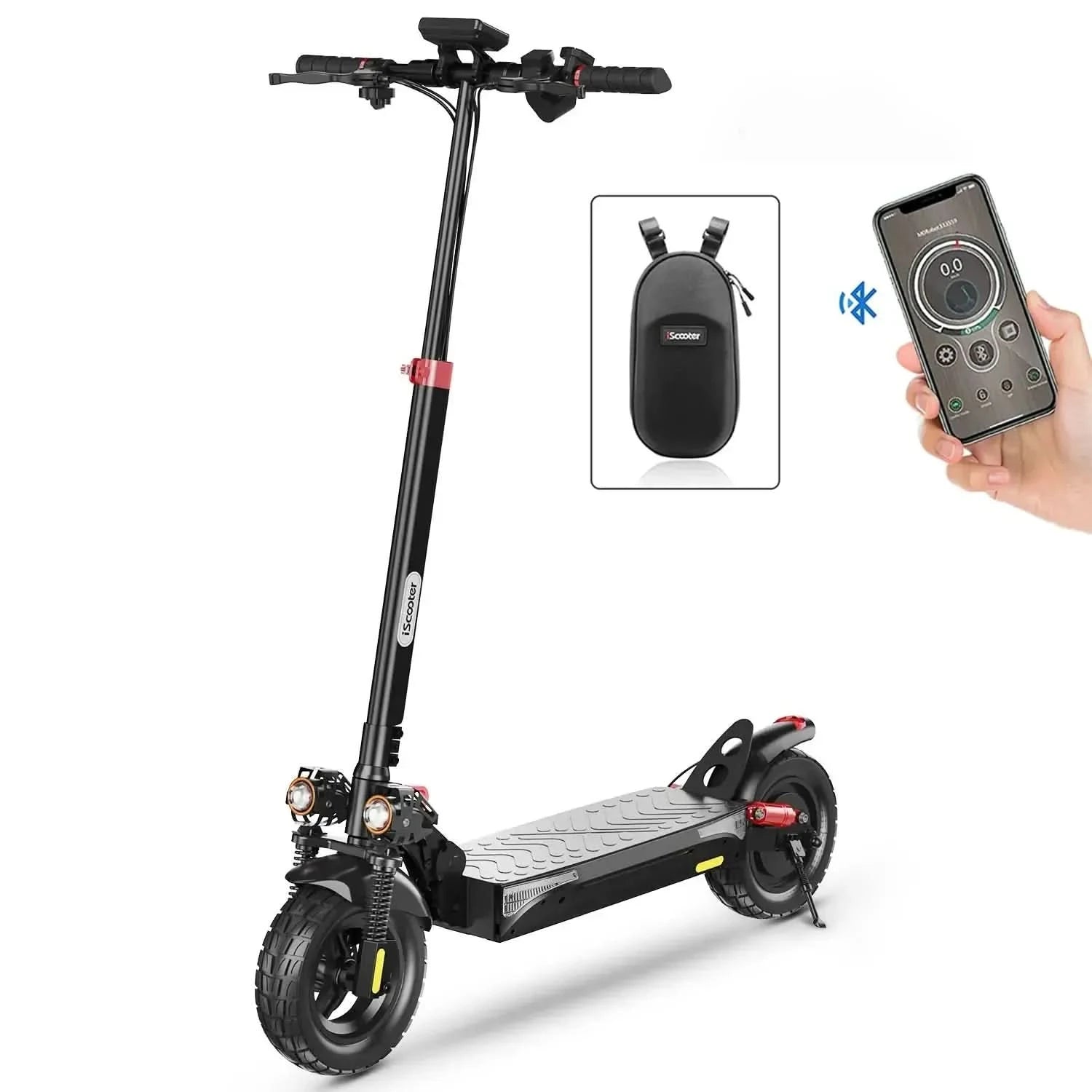


ISCOOTER K2 Pro Kids Electric Scooter


Why Buy From Punk Ride?
Thousands of customers trust Punk Ride for reliable electric scooters and bikes at competitive prices. We only stock proven models, provide transparent reviews, and offer responsive support before and after your purchase.
No hidden surprises. No marketplace risks. Just quality rides backed by real customer feedback.
✔️ Trusted by verified buyers
✔️ Secure checkout
✔️ Fast dispatch
✔️ Dedicated support team